Beyond the Purchase: How Data Detectives Craft Ecommerce Personalized Experiences
Market leaders are like customer experience specialists, piecing together the puzzle of customer behavior. They track more than just your final purchase to understand your online habits. Just like Amazon remembers what you left in your cart last week, companies analyze your entire browsing journey how you watch shows (clicks, views, searches) to understand your interests and preferences. By using this data responsibly and with customer consent, online stores can personalize your entire shopping experience, not just the checkout process.
This means more sales for them, but also a better experience for you. Imagine seeing Product Recommendation that you actually want to buy, or receiving emails with offers that perfectly match your interests. Personalized experiences keep you engaged and coming back for more, and ultimately build customer loyalty, encouraging you to return for future purchases.
In today's competitive market, data is a powerful tool. By understanding how customer experience specialists use customer information, you can unlock the secrets of personalization and watch your own business thrive.
To refine your Ecommerce personalization efforts, we delve into the following key areas
- Ecommerce Personalization
- The significance of personalization in Ecommerce
- Advantages of Personalization in Ecommerce
- 10 Methods of Ecommerce Personalization
- 6 Ecommerce Personalization Examples & Strategies
- Crafting an effective Ecommerce personalization strategy
- Mastering Ecommerce personalization with ZenBasket
What is Ecommerce Personalization?
Ecommerce personalization is the practice of using customer data to tailor the online shopping experience for each individual visitor. It's about creating a sense of one-on-one interaction, even though you're dealing with a large online audience.
- Customer Data: This can include browsing history, purchase history, demographics (with permission), location, and even interests gleaned from social media activity (if permission is granted).
- Tailoring the Experience: Based on the data, the online store personalizes various aspects for each visitor:
- Product Recommendations: Highlighting items you're more likely to buy based on past behavior. (e.g., an office supply store recommending printer ink based on previous printer purchases).
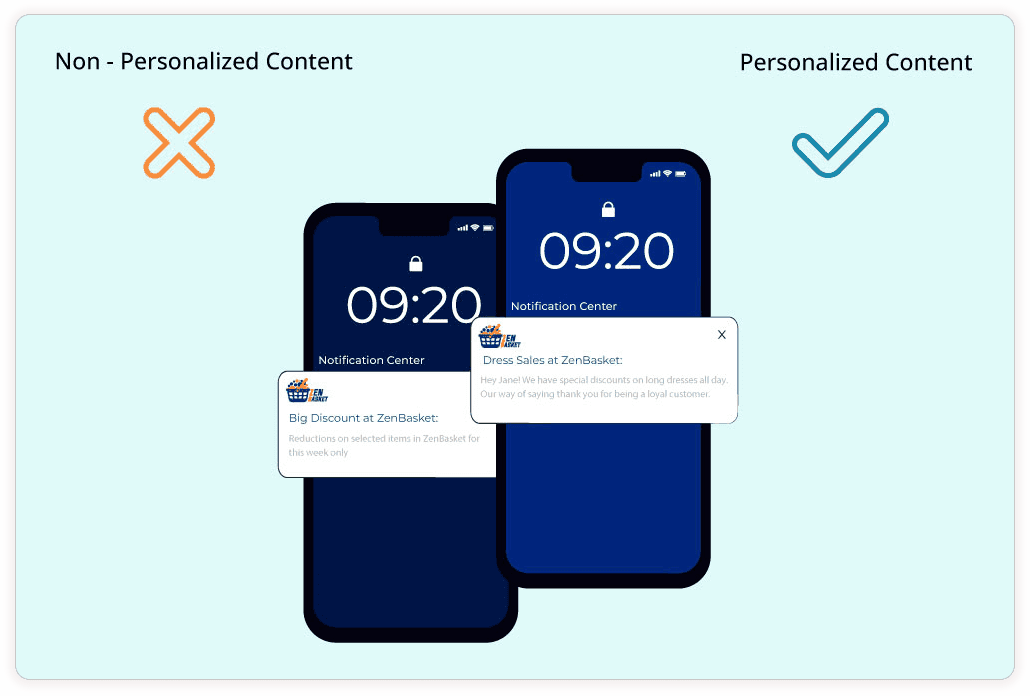
- Targeted Email Marketing: Sending emails with offers and promotions relevant to your interests. (e.g., highlighting winter clothes for customers in colder regions).
- Dynamic Content Display: Adjusting website banners and product listings based on your browsing habits. (e.g., showcasing dresses you might like based on what you've looked at before).
- Retargeting Ads: Displaying ads for products you've viewed on other websites, reminding you of your interest.
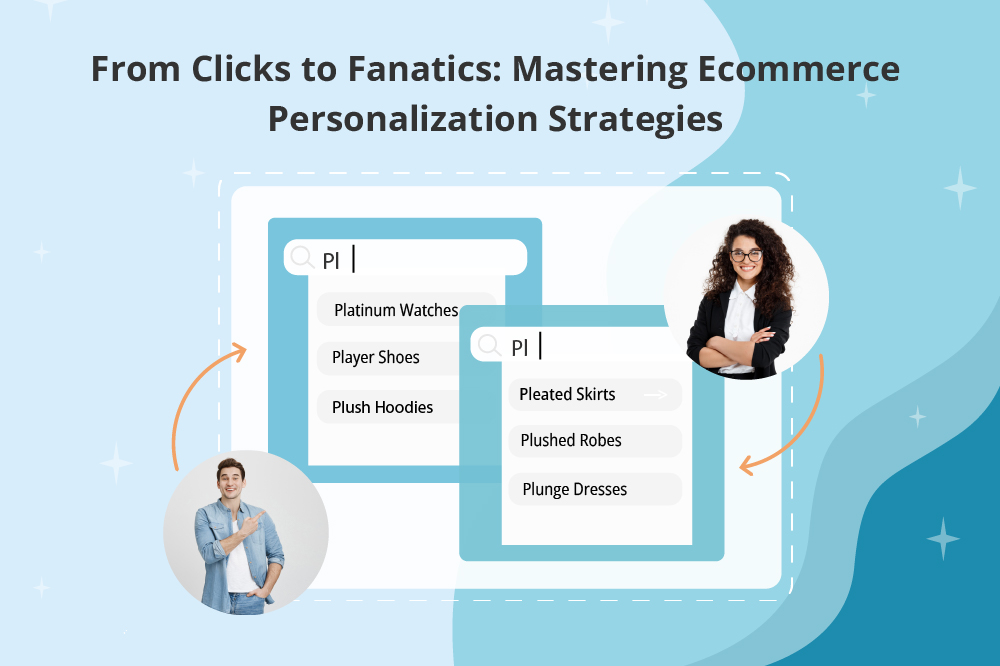
- Personalized Search Results: Prioritizing products relevant to your past searches and filtering out irrelevant options.
Think of it this way: Imagine walking into a brick-and-mortar store where a friendly salesperson immediately suggests items you'd love based on your past purchases or browsing history. Ecommerce personalization aims to replicate that experience online, making customers feel valued and understood.
The Significance of Personalization in Ecommerce
In today's online shopping world, it's easy to feel lost in a sea of products. Customers crave a smooth shopping experience that saves them time and frustration. But there's more to it than just convenience. They also want to feel valued, like the store actually knows them.
This is where personalization comes in. By tailoring the shopping journey to each customer's preferences and past interactions, online stores can create a unique experience. Imagine seeing product recommendations for things you'd actually want to buy, instead of generic suggestions. Or receiving emails with special offers that perfectly match your interests.
Here's how personalization benefits both customers and businesses
- Happier Customers: Personalized experiences lead to increased customer satisfaction and loyalty. Who wouldn't want to shop at a store that feels like it "gets" them?
- More Sales: When customers see products they're more likely to buy, they're more likely to add them to their cart. Think of it like a clothing store recommending dresses you might like based on your preferred brands and styles. This targeted approach makes the buying decision easier and more enticing.
- Reduced Cart Abandonment: If customers find what they need quickly and see relevant suggestions, they're less likely to abandon their carts before checkout. Frustration and wasted time decrease when the shopping experience is personalized.
- Smarter Marketing: Analyzing customer data helps businesses understand what people are looking for, allowing them to optimize their marketing strategies to reach the right audience with the right message at the right time.
By learning from industry leaders like Amazon and Netflix, online stores can leverage personalization to not only satisfy customers but also drive positive word-of-mouth marketing and long-term success. In a crowded market, personalization can be the secret weapon that sets your business apart.
Advantages of Personalization in Ecommerce
Increased Conversions: Personalization helps bridge the gap between browsing and buying. By showcasing relevant products, targeted promotions, and recommendations based on past behavior and preferences, customers are more likely to find what they're looking for and complete a purchase. Imagine a customer browsing for running shoes and seeing personalized recommendations for their preferred brand with a breathable mesh upper, alongside a relevant discount banner for high performance running shoes. This targeted approach, considering both product features and budget, makes the buying decision easier and more enticing.
Enhanced Customer Loyalty: Feeling valued is key to building lasting customer relationships. Personalization fosters a sense of connection by suggesting products and content that resonate with individual needs and interests. This personalized experience makes customers feel special and understood, leading to increased loyalty and encouraging repeat business. For instance, a customer who frequently purchases organic groceries might receive personalized recipe recommendations based on their past purchases. This extra step shows the customer that the store cares about their dietary preferences and health goals, leading to a stronger brand connection.
Improved Relevance: Generic recommendations are a turn-off for customers. Personalization ensures a more relevant shopping experience by tailoring product suggestions, offers, and content based on past browsing behavior and preferences. It's like having a virtual shopping assistant who anticipates your desires! Customers are no longer bombarded with irrelevant options, making the shopping journey more efficient and enjoyable. Imagine a sports apparel store that personalizes its homepage for a customer who has recently purchased basketball gear. Instead of generic activewear suggestions, the homepage showcases the latest basketball jerseys and performance shorts, keeping the customer engaged with relevant product categories.
Smoother Shopping Experience: Personalization streamlines the shopping experience by prioritizing products and information that are most relevant to each customer. This eliminates the need to sift through irrelevant options, saving time and frustration. Customers can easily find what they're looking for and complete their purchases with greater ease. For example, a customer searching for a new winter jacket might see personalized filters based on their location (think "down jackets for cold climates"). This targeted filtering streamlines the search process and helps the customer find the perfect winter jacket for their specific needs.
Data-Driven Insights: Personalization interactions generate valuable data that reveals insights into customer behavior and preferences. This information can also be used to personalize the overall shopping experience, such as recommending different payment methods based on past purchases (e.g., suggesting faster checkout options for customers who frequently use one-click buying) or tailoring the layout and navigation to user preferences (e.g., highlighting the "wishlists" section for customers who frequently save items for later consideration). By analyzing this data, businesses can gain a deeper understanding of their customer base and use those insights to further personalize the shopping journey, ultimately leading to increased customer satisfaction and sales.
10 Methods of Ecommerce Personalization
When we talk about Ecommerce personalization, it's about more than just targeting a general audience. It's about crafting a unique, customized experience for various customer segments.
Ecommerce personalization can target individuals on a one-on-one basis or focus on customer segments, which can range from broad to granular.
Segmented Personalization: Provide tailored experiences for various customer segments, considering factors such as geographic location, customer behavior, and general interests.
Personalization: Provide completely customized messaging and shopping experiences to each individual customer, tailored specifically to their preferences and needs.
Methods for Personalization
- Product Recommendations: Utilize browsing and purchasing history to suggest products that align with customers' preferences. This can include recommending complementary items, frequently bought together products, or similar products based on past purchases
- Dynamic Content: Display different content based on user behavior or demographics, such as personalized product recommendations or targeted promotions, or location-specific offers.
- Personalized Emails: Customize email content and timing based on customers' browsing and purchasing behavior. This can include sending targeted emails about products they've viewed, abandoned cart reminders, or exclusive offers based on their interests.
- Behavioral Targeting: Serve relevant ads and content based on users' past actions, such as items viewed or purchases made. This can be used for retargeting ads on social media platforms or displaying personalized product recommendations on the website.
- Location-Based Personalization: Offer location-specific deals, shipping options, or product recommendations based on customers' geographic location. This can be particularly useful for businesses with physical stores or those offering regional variations in product selection.
- Customized Pricing: Show different prices or discounts based on factors like customer loyalty, past purchases, or referral sources. This can be used to reward loyal customers or incentivize first-time purchases.
- Loyalty Programs: Reward customers with personalized incentives, discounts, or exclusive offers based on their engagement and purchases. This can gamify the shopping experience and encourage repeat business.
- Abandoned Cart Recovery: Send personalized reminders or offers to encourage customers to complete their purchases. This can include highlighting saved items, offering additional discounts, or providing support with completing the checkout process.
- Personalized Search Results: Adjust search results based on past behavior, preferences, or demographics to prioritize relevant products. This can include filtering out irrelevant options and suggesting items based on past searches or browsing history.
- Social Proof and Reviews: Display reviews and recommendations from customers with similar interests or purchasing patterns to increase trust and relevance. This can include highlighting customer reviews for specific products or showcasing products frequently purchased together.
These methods are just a starting point, and ecommerce businesses can combine and experiment with different techniques to create a truly personalized shopping experience for their customers. By understanding customer behavior and implementing these personalization strategies, online stores can build stronger customer relationships, drive sales, and achieve long-term success.
6 Ecommerce Personalization Examples & Strategies
In the cutthroat world of ecommerce, standing out requires more than just a catchy slogan and competitive prices. Personalization is the secret weapon that unlocks customer loyalty and fuels business growth. Here are 6 compelling examples and strategies to personalize the ecommerce experience:
1. Personalized Product Recommendations
Imagine walking into a store where a friendly salesperson immediately suggests items you'd love. Ecommerce personalization achieves a similar effect online. Recommendation engines analyze your browsing and purchase history to suggest products you're more likely to buy.
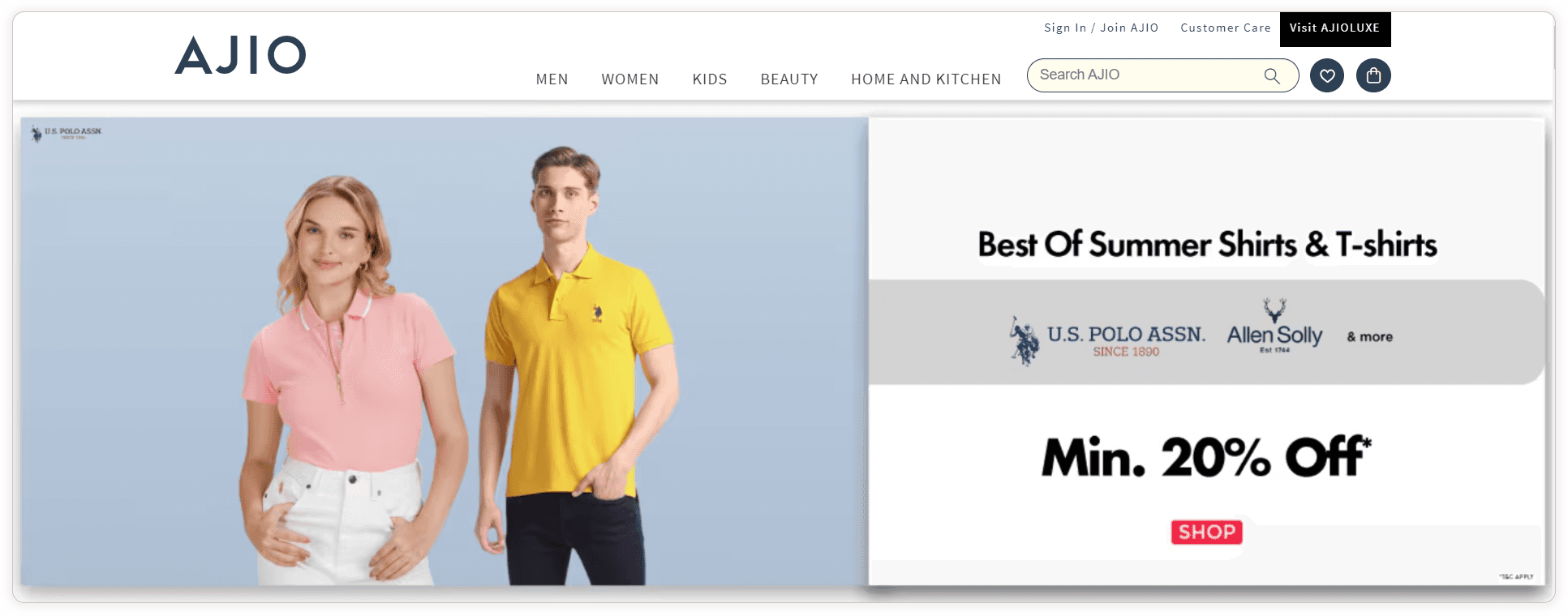
- Example: Ajio Customers Who Bought This Item Also Bought section uses this strategy, keeping you engaged and discovering new favorites.
"For You" Section: The highlighted area showcases a section titled "For You," which suggests Myntra is using some form of personalization to tailor product recommendations to the user.
There are different ways ecommerce platforms personalize product recommendations:
- Browsing Behavior: If a customer browses a particular category of products, they might receive recommendations for similar items or complementary products.
- Purchase History: A store might recommend products frequently bought together with a customer's recent purchase.
- Past Searches: Recommendations could be based on a user's search history, suggesting items they looked for previously.
2. Customized Email Marketing
Generic emails are a thing of the past. Ecommerce personalization allows you to send targeted emails that resonate with each customer.
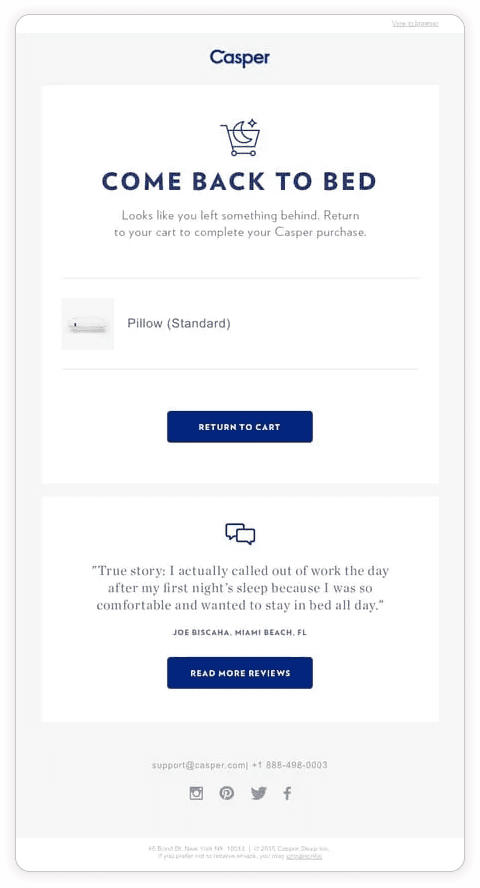
- Example: Casper uses past purchases and browsing behavior to recommend makeup that complements your style.
This not only feels more personal, but it also increases the chance of a customer clicking through and making a purchase. Abandoned emails are another powerful tool. Stores like Nike might send you a friendly reminder with a special discount to entice you to complete your purchase.
3. Dynamic Content Display
Think of your website as a personal concierge. Dynamic content display tailors what you see based on your location or interests.
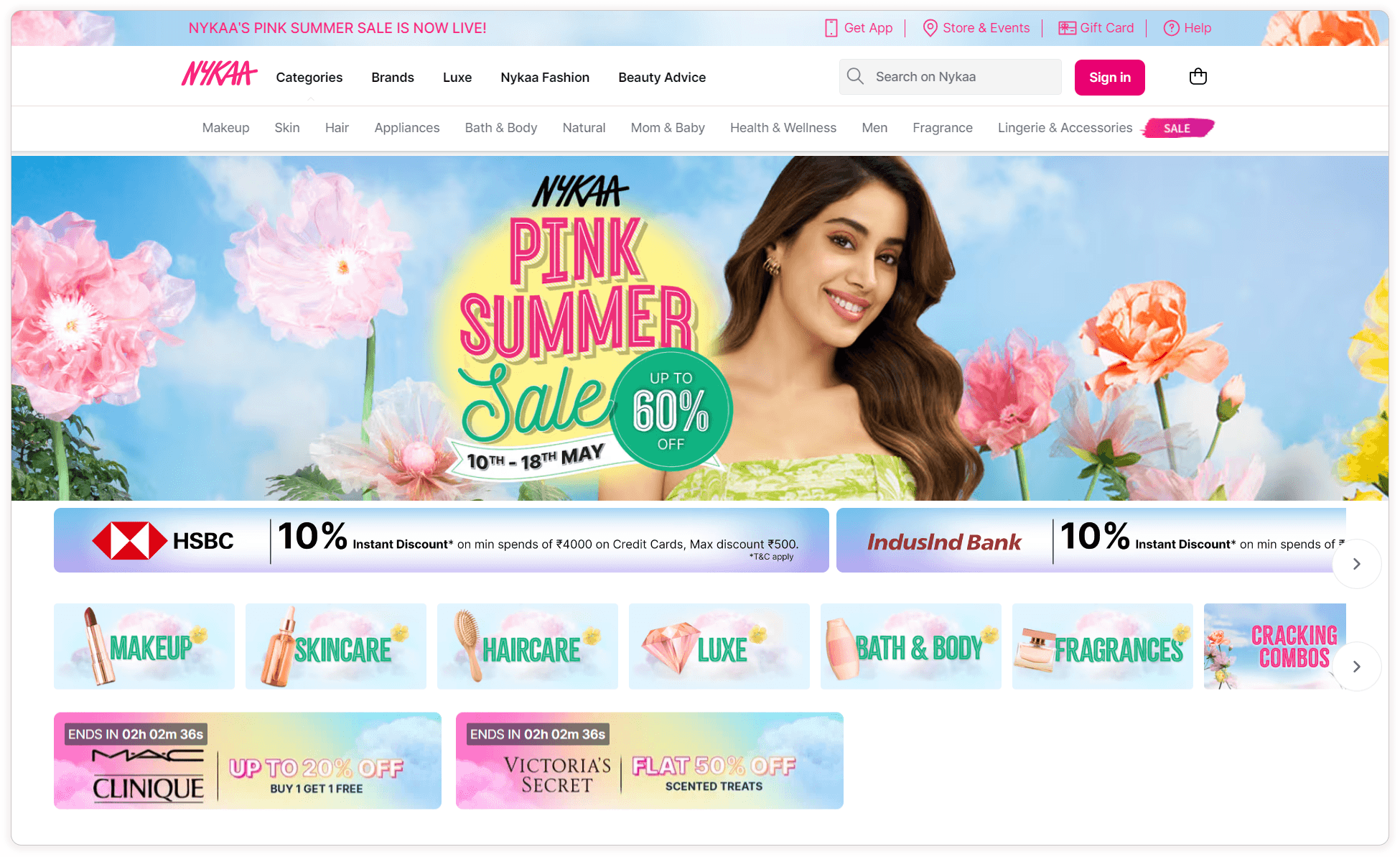
Example: Target might display different banners on their homepage depending on where you live. Cosmetics website Nykaa exemplifies dynamic content personalization in ecommerce. It uses various tactics to create a more engaging and tailored shopping experience:
- Countdown Timers: These timers generate excitement and encourage you to act quickly on a limited-time offer.
- Personalized Product Recommendations: Products you see might be influenced by your browsing history or past purchases. This helps you discover relevant items you might be interested in.
- Targeted Promotions: Nykaa could showcase promotions relevant to your location or even highlight offers for specific credit card holders, like an HSBC credit card discount.
By using these dynamic content elements, Nykaa personalizes your beauty journey, potentially leading to faster product discovery and higher purchase rates.
This creates a more relevant and engaging experience for each visitor, keeping them on your site longer and exploring more products or content.
4. Retargeting Ads
Ever browsed for a new outfit online and then seen ads for those same clothes popping up on other websites? That's retargeting in action. It uses cookies to track your online behavior and then displays targeted ads across the web.
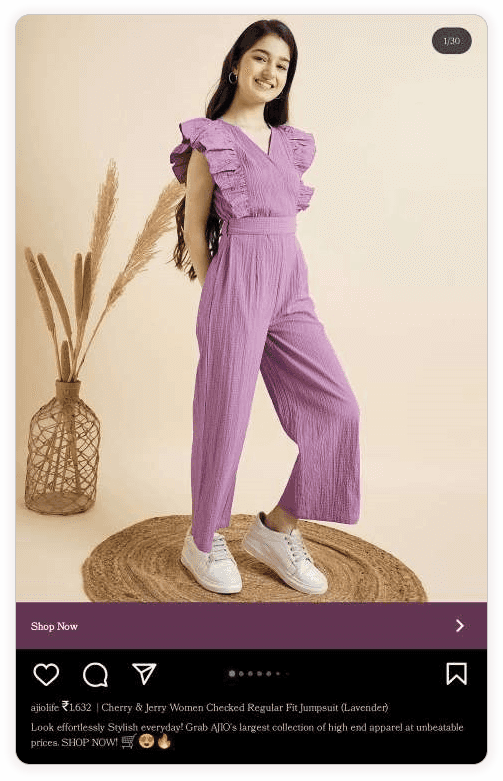
- Example: Imagine checking out jumpsuit. You might start seeing ads for those specific jumpsuit on Instagram or other websites you visit.
This "friendly reminder" can nudge you back to the store and complete your purchase. Social media platforms like Instagram also allow businesses to create highly targeted ad campaigns based on demographics and interests, ensuring your ads reach the right audience.
5. Personalized Search Results
Imagine searching for "running shoes" and seeing results tailored to your previous searches and purchases. Personalized search refines your online shopping journey.
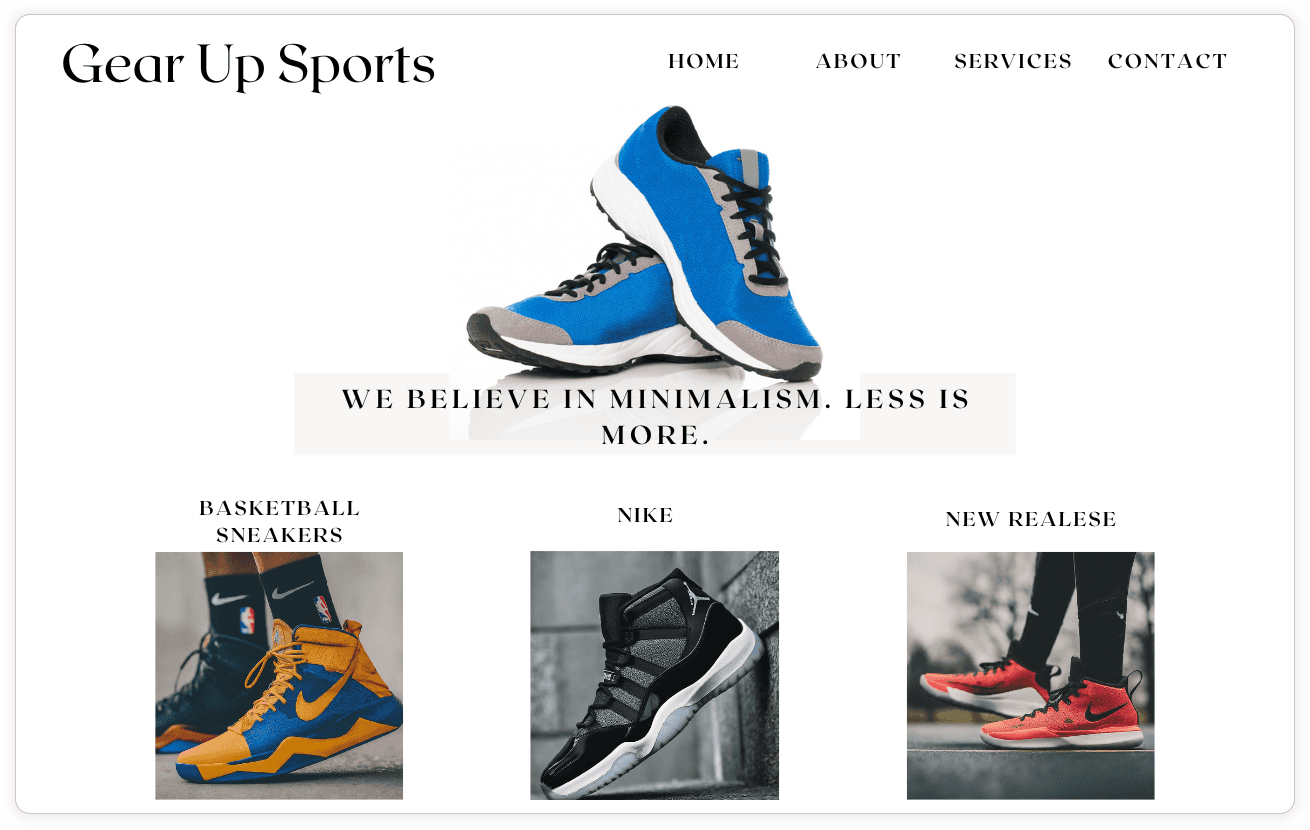
Example: John, a basketball enthusiast, searches for "sneakers" on your sports store's website.
Without personalization: John sees a generic list of all sneakers, wasting time finding basketball ones.
With personalization:
- Prioritizes basketball sneakers: John sees basketball shoes first, based on his purchase history.
- Showcases preferred brands: John's favorite brands appear first, saving him time browsing.
- Highlights new releases: John sees the latest basketball shoes from his favorite brands.
Personalized search tailors results to individual preferences, leading to a better shopping experience and potentially more sales.
Search engines like Google do the same, considering your location, past searches, and browsing behavior to deliver the most relevant results. This eliminates the need to sift through irrelevant pages, saving you time and frustration.
6. User-Specific Discount Offers
Everyone loves a good deal, and personalization takes it a step further with targeted discounts.
- Example: Lenskart offers a discount to new buyers who purchase glasses.
This incentivizes new customers to join your community and explore your offerings. Loyalty programs often reward repeat customers with special birthday discounts or anniversary promotions.

By implementing these six personalization strategies, you can transform your ecommerce store into a haven for happy, engaged customers. From recommended products to targeted emails, personalization fosters a connection that keeps them coming back for more.
Crafting an effective Ecommerce personalization strategy
An effective Ecommerce personalization strategy can dramatically boost your sales and customer satisfaction.
1. Understand the Customer Journey
- Map different customer journeys: Think about how different customer segments (new vs returning, budget-conscious vs brand loyal) navigate your site. What are their goals and pain points at each stage (browsing, product research, checkout)? For instance, a new customer might be primarily focused on browsing and product discovery, while a returning customer might be more familiar with your brand and have a specific product in mind.
2. Gather Customer Data
- Consolidate data sources: Pool information from website behavior (clicks, views), purchase history, demographics (if collected with consent), wishlist items, email engagement and any external loyalty program data (if applicable). Building a unified customer profile allows for a more holistic view of each customer.
3. Segment Your Customers
- Group customers with similar traits: This could be based on demographics, purchase behavior (frequent buyers, first-time purchasers), interests, or a combination of factors.. The more granular your segments, the more targeted your personalization can be. For example, you could create segments for customers interested in organic products, fitness enthusiasts, or first-time parents.
4. Choose Personalization Tactics
Here are a few Effective Methods
- Personalized Homepage: Showcase products relevant to past purchases or browsing behavior.
- Product Recommendations: Recommend items based on what they've viewed, similar customer purchases, or complementary products. Don't just recommend the most popular items; consider also including lesser-known products that might be a good fit for their interests.
- Search Personalization: Auto-suggest or refine searches based on past searches and browsing data. Prioritize relevant products and filter out irrelevant options to streamline the search process.
- Email Marketing: Segment your email list and send targeted promotions or content relevant to their interests. A/B tests different subject lines and email content to see what resonates best with each segment.
- Retargeting Ads: Show ads for products they've viewed or similar items on other platforms. This gentle reminder can nudge them back to your store to complete their purchase.
- Dynamic Content Display: Personalize website banners, product listings, and promotions based on user behavior or demographics. For example, highlight winter clothes for customers browsing from colder regions.
5. Continuously Monitor and Adapt
- Track the impact of your personalization efforts: See how it affects conversion rates, click-through rates, customer engagement, and average order value. Use website analytics tools to measure the effectiveness of your personalization strategies.
- Refine your strategy: A/B tests different tactics and content to see what resonates best with each segment. Don't be afraid to experiment and adjust your approach based on the data you collect.
Additional Info
- Personalization doesn't have to be creepy: Focus on providing relevant suggestions and a seamless shopping experience. Be transparent about how you collect and use customer data. Always obtain consent before personalizing experiences, and allow users to opt out if they prefer a more generic experience.
By following these steps, you can create a personalization approach that fosters customer loyalty, increases sales, and sets your ecommerce business apart in the competitive online marketplace.
Mastering Ecommerce personalization with ZenBasket
ZenBasket is your ultimate tool for mastering ecommerce personalization across all channels. Say goodbye to generic marketing and hello to targeted ads (Social Media Marketing) on Facebook and Instagram that showcase products your customers truly want. With ZenBasket, effortlessly create engaging social media posts that align perfectly with your followers' interests, and automate personalized Whatsapp messages for new subscribers and cart abandoners. Segment your email list and craft targeted emails with product recommendations and special offers, while also reviving inactive customers with personalized win-back campaigns. With dynamic creative optimization for Facebook Ads and website audience building for retargeting, ZenBasket ensures every interaction feels tailor-made, driving stronger customer relationships and explosive growth for your business. Schedule a demo today and unlock the power of ZenBasket personalization!
Try ZenBasket to Sell Online
Start a no-commitment 14-day free trial and enjoy our ZenBasket features on your ecommerce website with free support. (No credit/debit card required)