
One of the best strategies for building a strong online presence in the rapidly evolving field of digital promotion is content marketing. If you are new to the world of internet marketing and need help navigating it, our comprehensive guide will assist you in understanding the significance of content marketing and how to build a robust online presence through effective strategies.
What is Content Marketing all about?
Content marketing is a strategic marketing approach that focuses on creating and distributing valuable, relevant, and consistent content to attract and engage your audience. The main goals of content marketing are to build trust, increase brand awareness, and maintain long-term relationships with your audience. Unlike traditional advertising, content marketing aims to provide value to your audience by delivering content that is informative, entertaining, or educational. This includes blog posts, articles, videos, social media posts, podcasts, and more. By providing valuable content, companies aim to establish themselves as industry authorities and ultimately increase customer loyalty and influence purchasing decisions.
The Significance of Content Marketing
1. Enhancing Brand Authority in your Domain
One of the most effective ways to build and strengthen your brand's authority in your industry is to strategically create and distribute content. Instead of relying on the unpredictable rules and algorithms of social media platforms, you can create a dedicated space under your control by establishing direct connections with potential customers on your website. Building a strong and enduring brand presence starts with your website, which is like building a house on firm ground instead of depending on rented land that could disappear or change unexpectedly.
2. Building Trust through Tailored Content
Developing consumer trust through customized content is crucial for establishing a positive perception of the brand. In addition to displaying a brand's knowledge, personalized educational content is essential for building customer trust. A comprehensive understanding of your ideal customer is necessary for successful content marketing. The priority should be on offering helpful support rather than just selling. Delivering tailored content regularly demonstrates both empathy and expertise, highlighting your awareness of their problems and your capacity to solve them with your goods or services.
3. The Impact of Quality Content on Search Engine Rankings
The creation of excellent content is key to improving your online visibility and positioning in search engine rankings. Not only do search engines value high-quality content, but they also consider it to be an important component of your website's robustness and aesthetic appeal. The importance of this can be seen in the click-through rates (CTR), where the top organic position on Google may reach an incredible 39.6%, while the #2 spots can only manage 18.4%. Even the #9 and #10 spots only maintain a 2% CTR due to organic results dominating clicks. Great content that ranks highly in Google searches is a more effective way to get a lot of traffic to your website than paid business advertisements with similar click-through rates.
4. Drives Customer Loyalty
Establishing and keeping a loyal customer base is essential to content marketing. Maintaining a long-lasting relationship between a brand and its audience is largely dependent on the regular delivery of insightful content, which goes beyond simply drawing in new clients. Rewarding and assisting current clients with relevant information greatly increases their loyalty and builds a lasting bond with the business.
Diverse Forms of Content Marketing:
1. Blog Posts
Blog posts remain a highly effective way to connect with your audience. They provide valuable information, build brand awareness, and boost search engine rankings. Educative content fosters trust and loyalty, translating into potential business growth.
2. Infographics
Infographics simplify complex information into visually appealing formats, capturing the audience's attention. They complement blog posts, encourage social sharing, and facilitate inbound backlinks. Thoughtfully crafted infographics elevate content strategically, breaking down intricate data points for better understanding.
3. Videos
Video content caters to a different audience, engaging users through dynamic storytelling and visuals. Despite being expensive and time-consuming, well-produced videos enhance business dynamism and provide demonstrations. Repurposing written content into videos allows embedding in blogs, on YouTube, and across various platforms for increased reach.
4. Podcasts
Podcasts offer easily accessible content for on-the-go audiences, fostering connections through empathy and authenticity. With proper planning, podcasts can demonstrate thought leadership and bring brand awareness to diverse audiences. Recycling written content into podcasts enhances cross-channel visibility.
5. Social Media
Social media enables direct interaction and engagement, making it a vital content marketing tool. It allows for both content creation and promotion, facilitating audience interaction. Testing different content types on social platforms helps determine audience preferences, and transforming existing content ensures consistent visibility.
6. Ebooks
Ebooks provide comprehensive information in exchange for leads. While time-consuming to create, they prove valuable for lead generation. Upcycling content from the website into ebooks is a cost-effective strategy, offering in-depth insights without SEO concerns.
7. Case Studies
Case studies are powerful content marketing tools that provide real-life examples of problem-solving. They build trust through social proof and relatable customer experiences. Publishing case studies on the website serves as an effective conversion tool and a compelling piece of content.
8. User-Generated Content (UGC)
UGC is content created and shared by consumers or fans, providing authentic social proof for brand awareness. It reflects real customer thoughts and experiences, fostering trust and credibility. Encourage UGC by guiding users, especially through testimonials, reviews, comments, and social media engagement. Branded hashtags and reposting UGC on your channels can amplify its impact, doubling down on social proof.
Content Marketing Strategies to Keep Your Audience Engaged
1. Know Your Audience Like They're Royalty
- Define your ideal customer: Understand their demographics, interests, pain points, and online behavior.
- Craft buyer personas: Develop detailed profiles of your ideal customers, giving them names, faces, and aspirations. This personalizes your approach.
- Conduct audience research: Utilize surveys, polls, and social media listening to stay in tune with their evolving needs and preferences
2. Content that Converts
- Variety is the spice of content: Experiment with different formats, like blog posts, infographics, videos, podcasts, and quizzes, to cater to diverse learning styles.
- Quality over quantity: Publish less, but publish better. Focus on valuable, informative, and engaging content that resonates with your audience.
- SEO savvy: Research relevant keywords and optimize your content to climb the search engine ranks, leading organic traffic to your doorstep.
3. The Content Calendar
- Plan and schedule: Don't leave your content creation to chance. Develop a content calendar to ensure consistent publishing and maintain momentum.
- Batch content creation: When inspiration strikes, create multiple pieces at once to maximize your time and energy.
- Repurpose and refresh: Breathe new life into existing content by repurposing it into different formats or updating it with fresh information.
4. Spread the Word
- Social media: Share your content across relevant platforms, engage with comments and discussions, and participate in online communities.
- Email outreach: Build an email list and nurture leads with newsletters, educational content, and exclusive offers.
- Influencer network: Partner with relevant influencers in your niche to reach a wider audience and leverage their established trust.
5. Analyze and Adapt
- Track your metrics: Utilize analytics tools to monitor website traffic, engagement, conversions, and other key metrics to understand what's working and what's not.
- Experiment and iterate: Don't be afraid to try new things and adjust your strategy based on data insights. Continuous improvement is key to success.
- A/B testing: Test different headlines, visuals, and calls to action to discover what resonates best with your audience and optimize your content performance.
Content Marketing Examples That Drive Traffic and Conversions
1. An Example of Blog Content
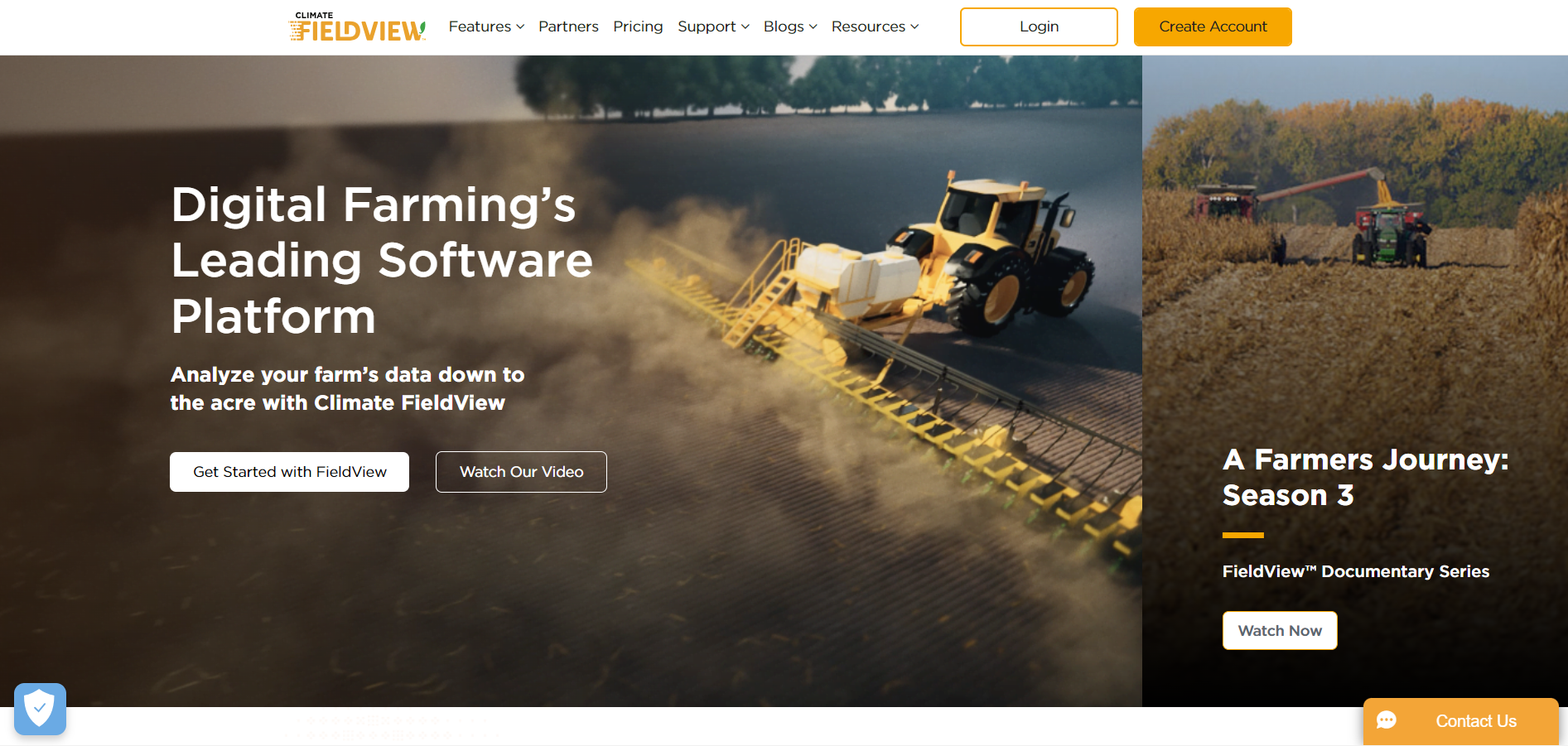
Climate FieldView's blog post "Find Your Fungicide Window" emerged as a finalist in the Content Marketing Awards, and it's easy to understand why. This insightful piece guides farmers in strategic harvest planning, offering valuable advice on leveraging the fungicide window, also known as the pesticide window, to their benefit.
2. An Example of Video Content

Louis Vuitton, a renowned luxury fashion brand, employs content marketing strategies to engage and captivate its audience with compelling and visually stunning narratives. Through a mix of high-quality visuals, videos, and editorial content, Louis Vuitton showcases its craftsmanship, heritage, and lifestyle. By curating a sophisticated and aspirational image, Louis Vuitton promotes its products and establishes a deeper connection with its audience, cultivating a sense of exclusivity and luxury in the fashion world.
3. An Example of Podcast Marketing
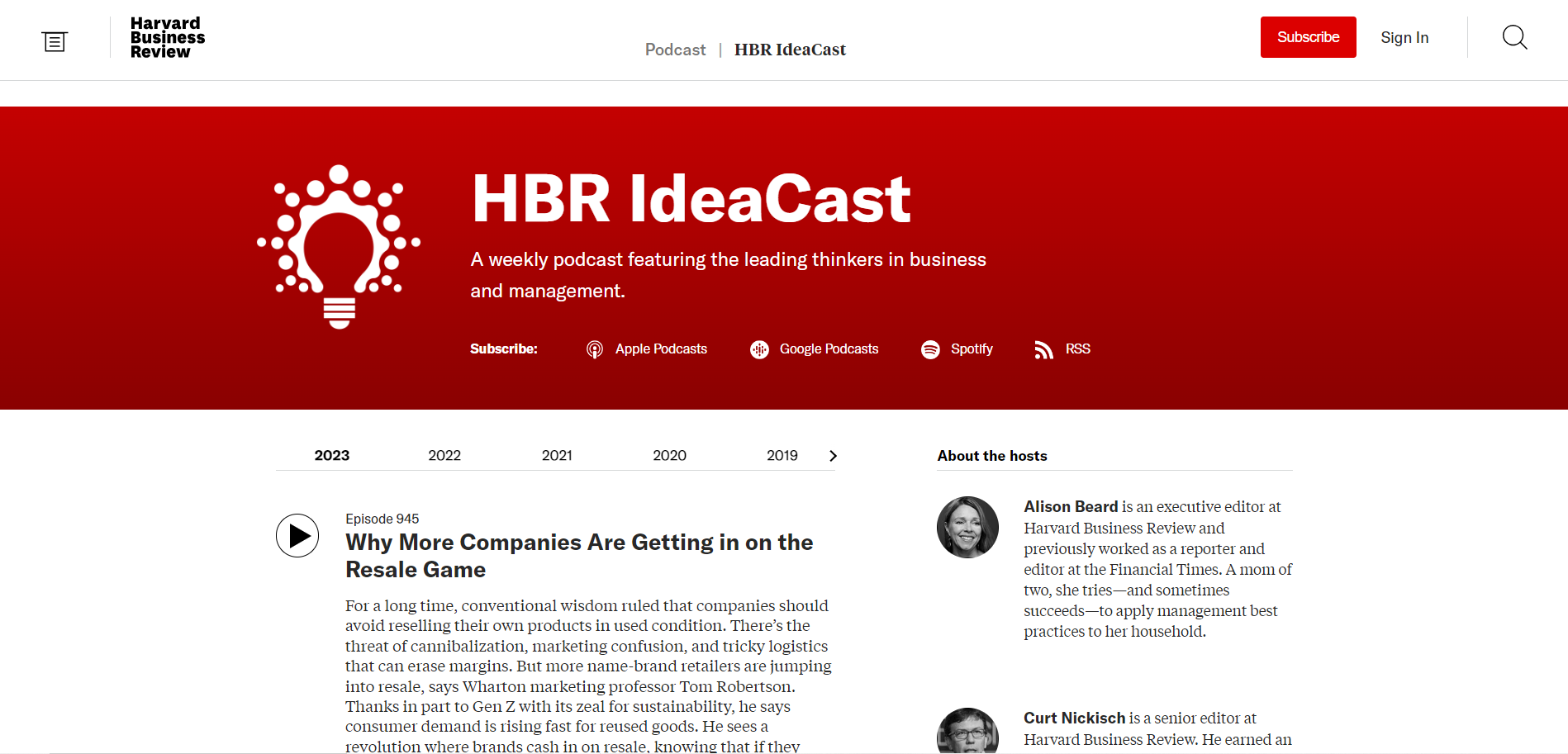
Harvard Business Review (HBR) offers a weekly podcast known as HBR IdeaCast, showcasing discussions with prominent figures in business and management. Subscribers can enjoy a consistent flow of insights by subscribing to the extensive library of podcasts or selectively choosing episodes that align with their interests. The podcast seamlessly integrates with HBR's established brand, providing a complementary audio dimension to their published content. This strategic use of a podcast serves as an effective tool for HBR to engage its target audience, heighten brand recognition, and foster a dedicated following through a medium distinct from its traditional written content, offering a dynamic and accessible channel for industry insights beyond the realm of conventional HBR articles.
Final Thoughts
Starting the online journey can seem like an impossible task, similar to navigating a dangerous jungle. But content marketing cuts through the mess and clears the path to success like a reliable knife. By producing insightful and interesting content, you can grow your audience and establish brand trust while also attracting a devoted fan base. Create engaging videos, thought-provoking blog posts, and conversation-starting social media posts to take center stage. Accept a variety of content formats, such as podcasts and infographics, to see your audience expand. Keep in mind that content marketing is an ongoing process; monitor, improve, and acknowledge each milestone. Your digital jungle will flourish with hard work and imagination, attracting passionate supporters of your company.