Introduction
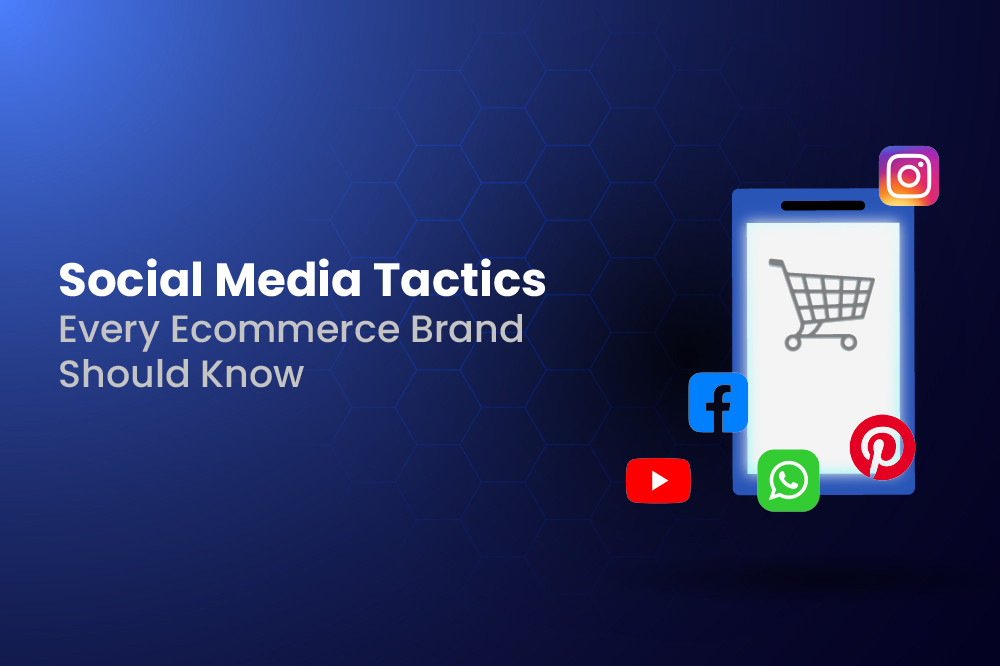
Social media is one of the most powerful tools for ecommerce businesses looking to increase website traffic and sales. However, simply having a social media presence isn't enough- you need a strategic approach to convert followers into customers. In this guide, we’ll explore proven tactics to maximize traffic from social media, from content creation to paid advertising and influencer collaborations.
Why Social Media is Essential for Driving Traffic
Social media platforms serve as a direct gateway to your online store, offering unparalleled reach and engagement opportunities. With billions of users scrolling daily, these platforms allow you to connect with potential customers in real time. Unlike traditional advertising, social media enables hyper-targeted promotions, ensuring your products are seen by the right audience. Additionally, social media fosters brand loyalty through interactive content, customer testimonials, and direct communication. Whether through organic posts or paid campaigns, leveraging social media can significantly boost your store’s traffic at a relatively low cost compared to other marketing channels.
The Little-Known Social Media Tricks That Drive Massive Store Visits
1. Optimize Your Social Media Profiles
Your social media profiles act as the first point of contact for potential customers, so they must be professional and conversion-focused. Use a high-quality logo or brand image as your profile picture to ensure instant recognition. Craft a compelling bio that clearly explains what your store offers and includes a direct link to your website. Incorporate relevant keywords in your bio and posts to improve discoverability in searches. Additionally, add clear calls-to-action (CTAs) such as “Shop Now” or “Limited-Time Offer” to encourage clicks.
2. Post Engaging & High-Quality Content
Content is the backbone of social media success. High-quality visuals- such as professional product photos, demo videos, and customer testimonials- grab attention and encourage engagement. User-generated content (UGC), like customer reviews and unboxing videos, builds trust and authenticity. Behind-the-scenes content, such as team introductions or product creation processes, humanizes your brand. Interactive posts like polls, quizzes, and Q&A sessions boost engagement and keep your audience invested in your brand.
3. Leverage Social Media Advertising
Paid advertising on platforms like Facebook, Instagram, and TikTok allows you to reach a highly targeted audience. Facebook and Instagram ads let you segment users based on interests, demographics, and past behaviors, ensuring your products are seen by potential buyers. Retargeting ads are particularly effective- they remind visitors who browsed your online store but didn’t purchase to return. Carousel and video ads showcase multiple products, increasing the chances of conversions. Collaborating with influencers for sponsored posts can also amplify your reach and credibility.
4. Use Shoppable Posts & Social Commerce Features
Social commerce features make purchasing seamless by allowing users to shop directly from social media. Instagram Shopping lets you tag products in posts and stories, directing users to your store with a single tap. Facebook Shops creates a mini-storefront within the platform, enabling customers to browse and buy without leaving Facebook. Pinterest Buyable Pins and TikTok Shopping integrations further streamline the buying process, reducing friction and increasing conversions.
5. Run Contests & Giveaways
Contests and giveaways are excellent for boosting engagement and driving traffic. Encourage participants to follow your page, tag friends, and visit your website for entry. For example, a "Tag 3 friends & visit our online store to win!" campaign can rapidly increase visibility. Giveaways not only attract new followers but also create excitement around your brand, leading to higher website visits and potential sales.
6. Collaborate with Influencers
Influencer marketing leverages the trust and authority that content creators have with their followers. Partnering with micro-influencers (10K–100K followers) often yields higher engagement than mega-influencers. Sponsored posts, unboxing videos, and honest reviews introduce your products to a relevant audience. Influencers can also provide unique discount codes, making it easier to track conversions from their promotions.
7. Utilize Hashtags Strategically
Hashtags increase the discoverability of your posts. Create a branded hashtag (e.g., #YourBrandStyle) to encourage customers to share their purchases. Research trending and niche-specific hashtags to expand your reach. Analyzing competitors’ hashtags can also provide insights into what works in your industry. A mix of popular and niche hashtags ensures your content reaches both broad and targeted audiences.
8. Engage with Your Audience
Active engagement builds relationships and encourages repeat visits. Respond promptly to comments and direct messages to show customers you value their input. Hosting live Q&A sessions or behind-the-scenes streams fosters a sense of community. Engaging with user-generated content, such as liking, sharing, or commenting on customer posts, strengthens brand loyalty and encourages more people to interact with your online store.
9. Share Customer Testimonials & Reviews
Social proof is a powerful motivator for purchases. Share customer testimonials, reviews, and unboxing videos to build credibility. Reposting user-generated content (with permission) showcases real people enjoying your products, making your brand more relatable. Highlighting positive experiences reassures potential buyers and reduces hesitation in completing a purchase.
10. Cross-Promote on Multiple Platforms
Maximize your reach by repurposing content across different platforms. Share Instagram posts on Facebook and Twitter, or turn TikTok videos into YouTube Shorts and Instagram Reels. Each platform has unique strengths- Pinterest excels for visual inspiration, while TikTok is great for viral trends. A consistent cross-promotion strategy ensures your brand stays visible to a wider audience.
11. Use Analytics to Track Performance
Monitoring social media analytics helps refine your strategy. Track metrics like click-through rates (CTR), engagement levels, and conversion rates to identify what works. Tools like Facebook Insights, Instagram Analytics, and Google Analytics provide valuable data on traffic sources and user behavior. Adjust your approach based on these insights to continuously improve results.
Final Thoughts
Driving traffic from social media to your online store requires a mix of creativity, strategy, and consistency. By optimizing your profiles, posting engaging content, leveraging ads and influencers, and utilizing social commerce features, you can turn followers into customers. Regularly analyze performance and adapt your tactics to stay ahead in the competitive ecommerce landscape.