Inventory management involves keeping track of a store's inventory to maintain balance. This process is essential for accurately estimating costs, predicting sales, and determining profit margins. The goal is to align supply and demand, leading to better financial control for businesses and improved customer satisfaction.
What are the Components of Inventory Management?
Optimized inventory control involves continuous monitoring of physical inventory, optimizing stock levels based on sales data and demand projections. A robust inventory control system ensures adequate inventory during peak sales and leaner stock during slower periods. Regularly managing inventory not only prevents stockouts but also contributes to loss prevention and enhances customer satisfaction.
Streamlined order processing
Accepting customer orders is the next step in the inventory management process. Orders are normally processed and payments are accepted through ecommerce platforms or a point-of-sale system (POS). The POS system will either have an in-built inventory management component or will be coupled with inventory management, allowing staff to examine order data.
Maintain a record of all product information
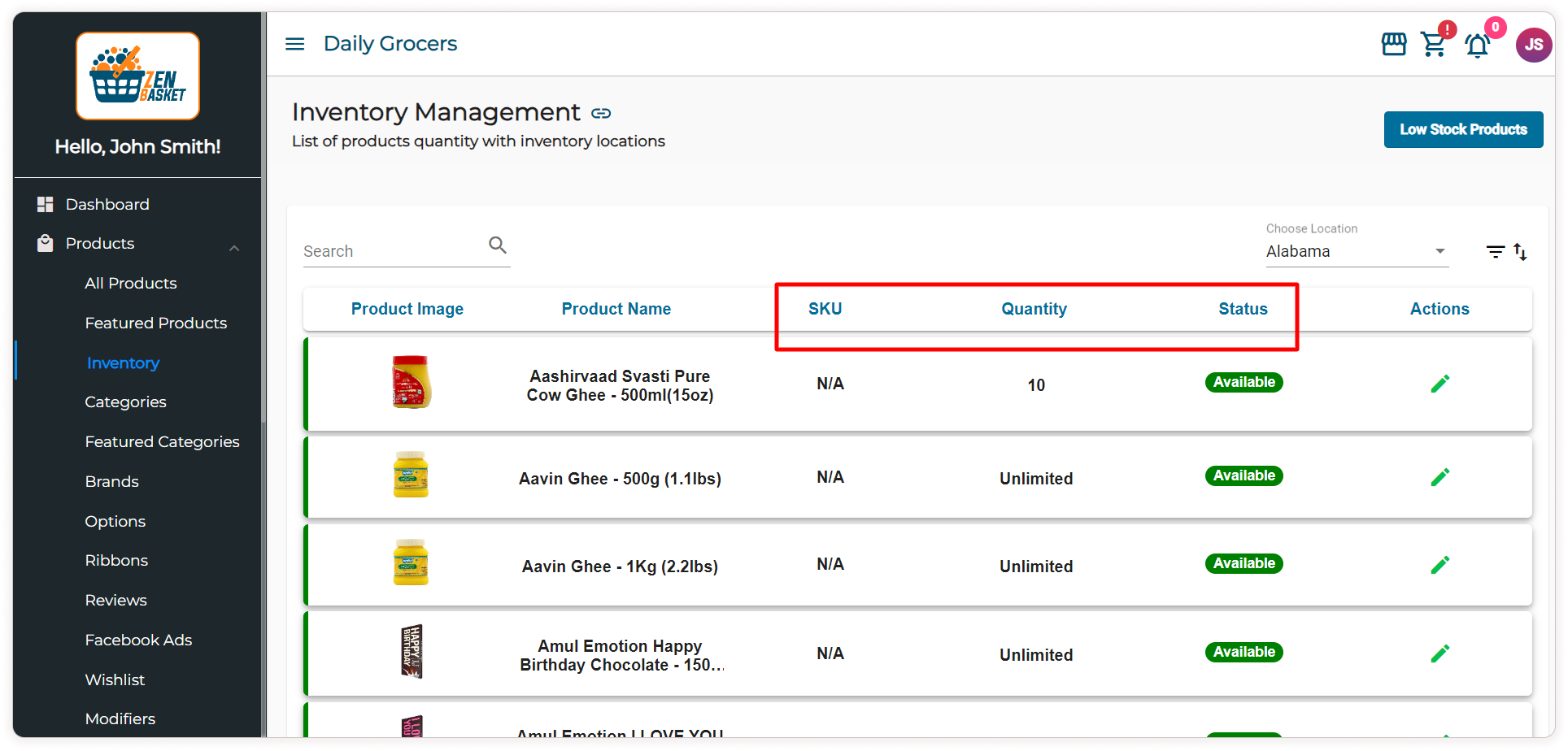
Track product information for each inventory item in real-time, including stock-keeping units (SKUs), quantity, and status. Consider tracking the price of each item over time so you may be aware of factors such as seasonality and scarcity that may alter the price.
Sales tracking and demand analysis
Tracking your sales data is more than recording daily totals. Analyze trends to understand:
- Which products sell fastest?
- Seasonal demand patterns
- Regional preferences and warehouse needs
For instance, if a specific product sees a spike in sales on weekends, you can manage inventory accordingly. Understanding your sales patterns helps you make informed decisions, ensuring optimal stock levels and smooth operations.
Timely restocking
Reordering new stock with accuracy in timing and quantity is crucial. By replenishing inventory effectively, businesses can minimize the risks of stockouts and overstocks, both of which can negatively impact their bottom line. Streamlined inventory management systems simplify the restocking process, saving time and reducing the potential for human error.
Low Stock Notification
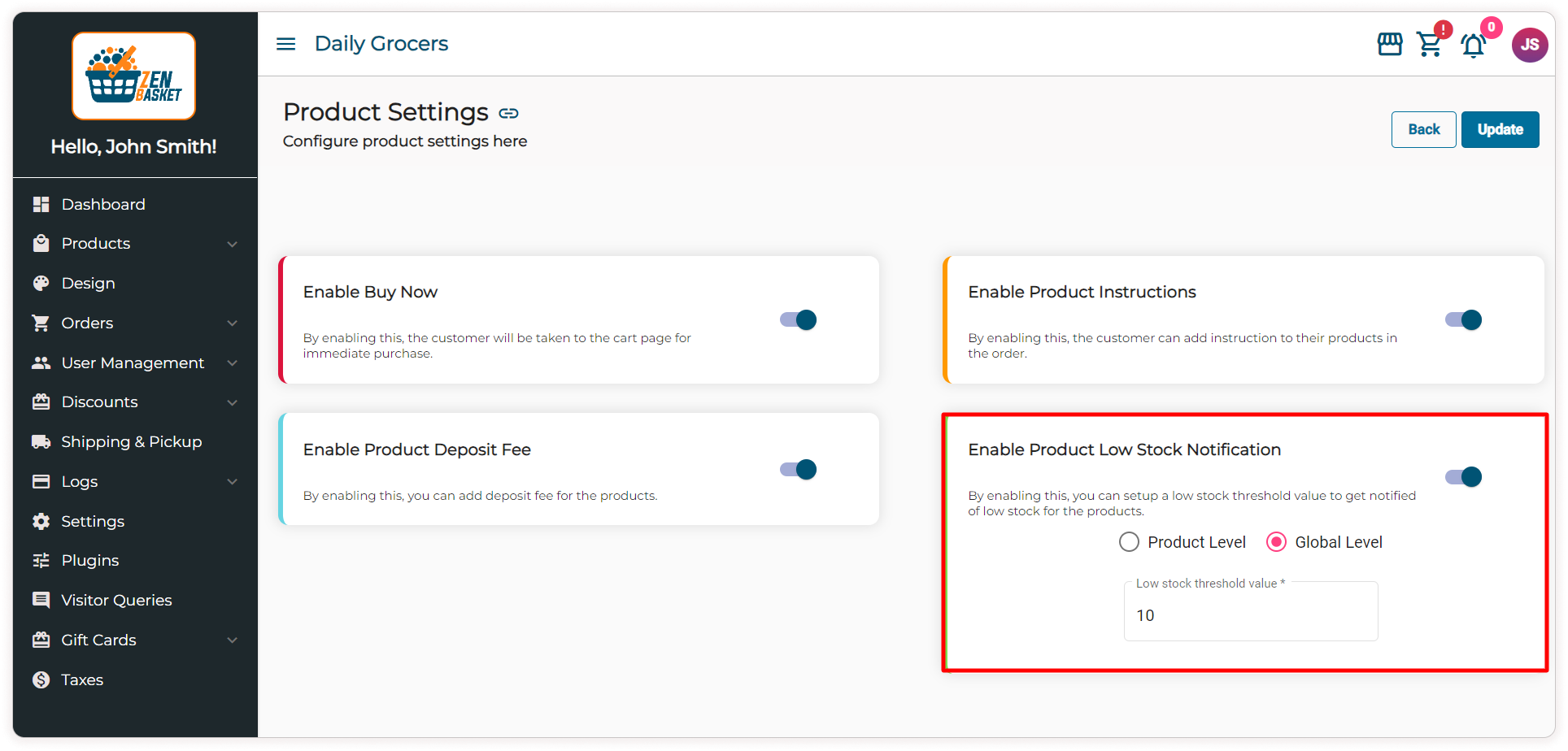
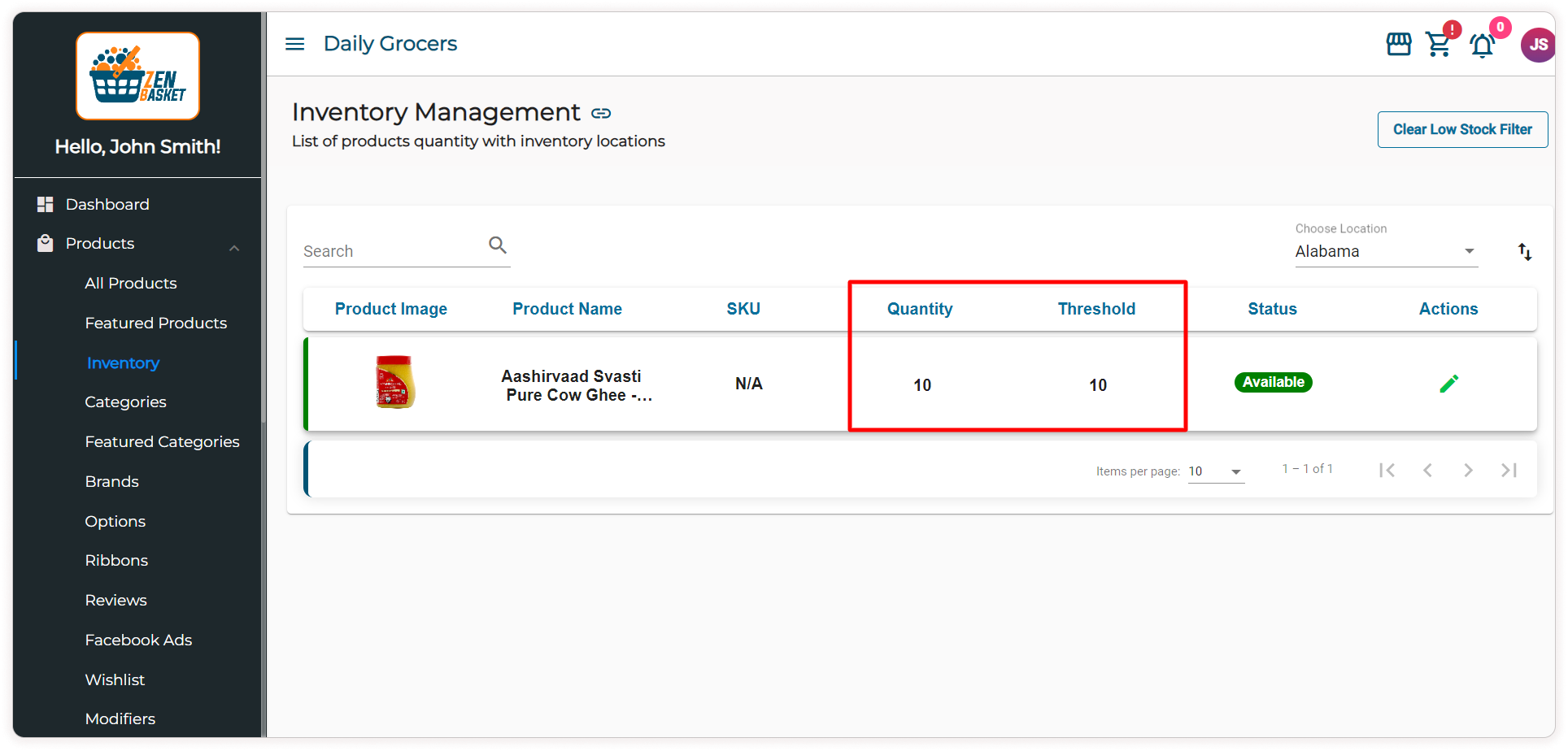
Avoid the negative results of running out of stock with low stock notification feature. You can set customized thresholds at the product level or globally, and you will get email alerts when stock levels reach or fall below predefined quantities. This proactive approach allows you to take quick action, replenishing inventory to prevent stockouts and keep your business running smoothly.
Global Level feature
Store Admin Setup
Customer self-service returns
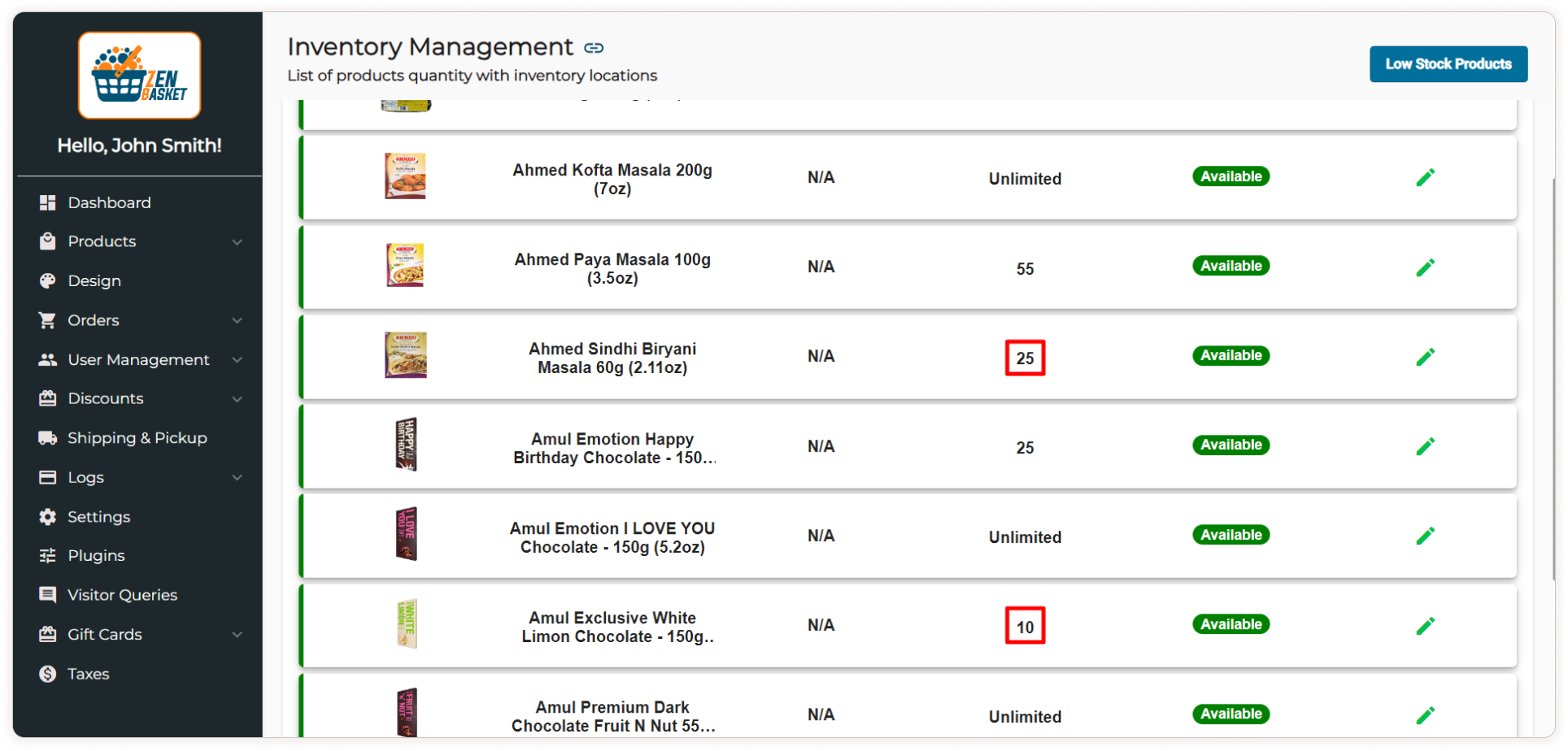
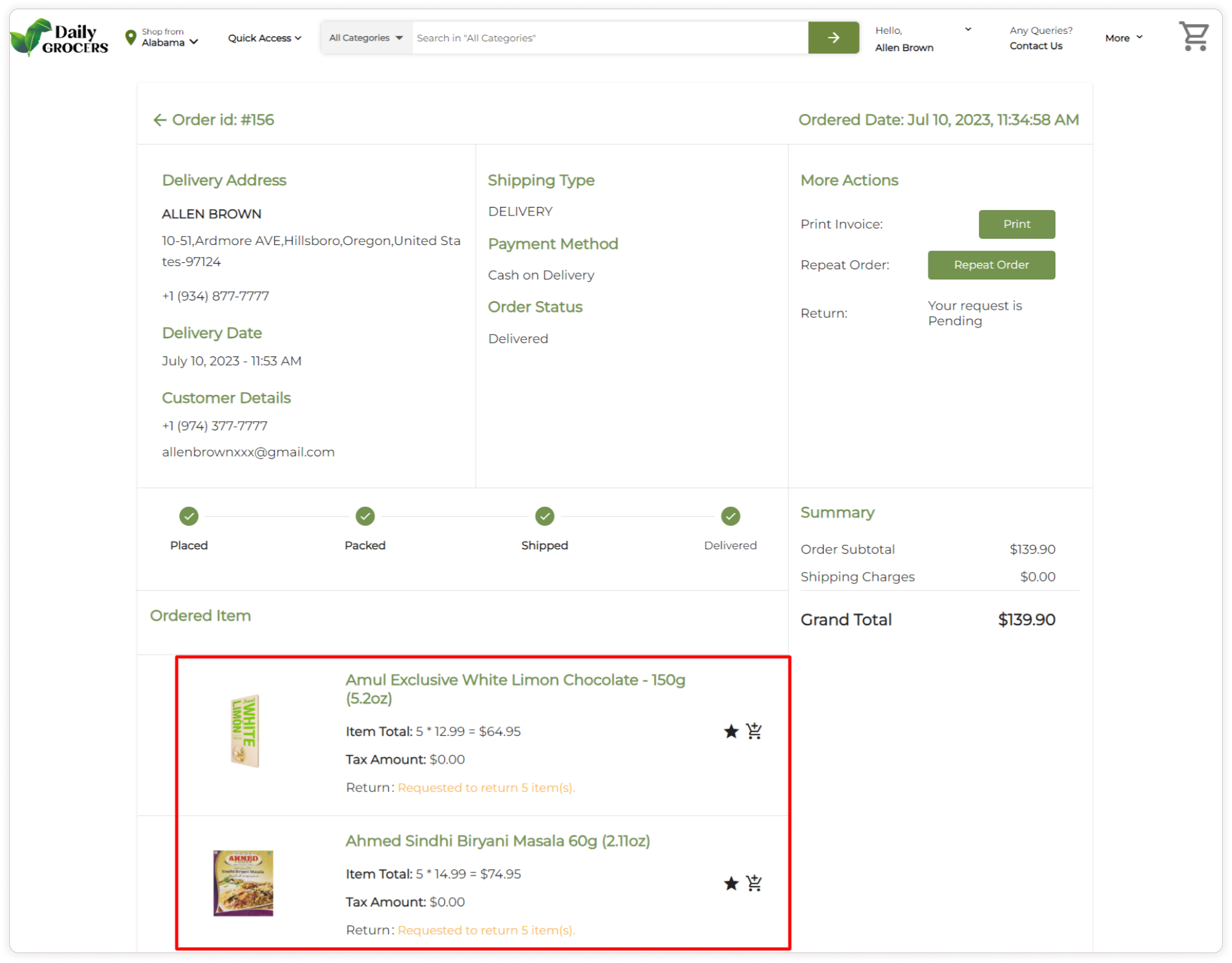
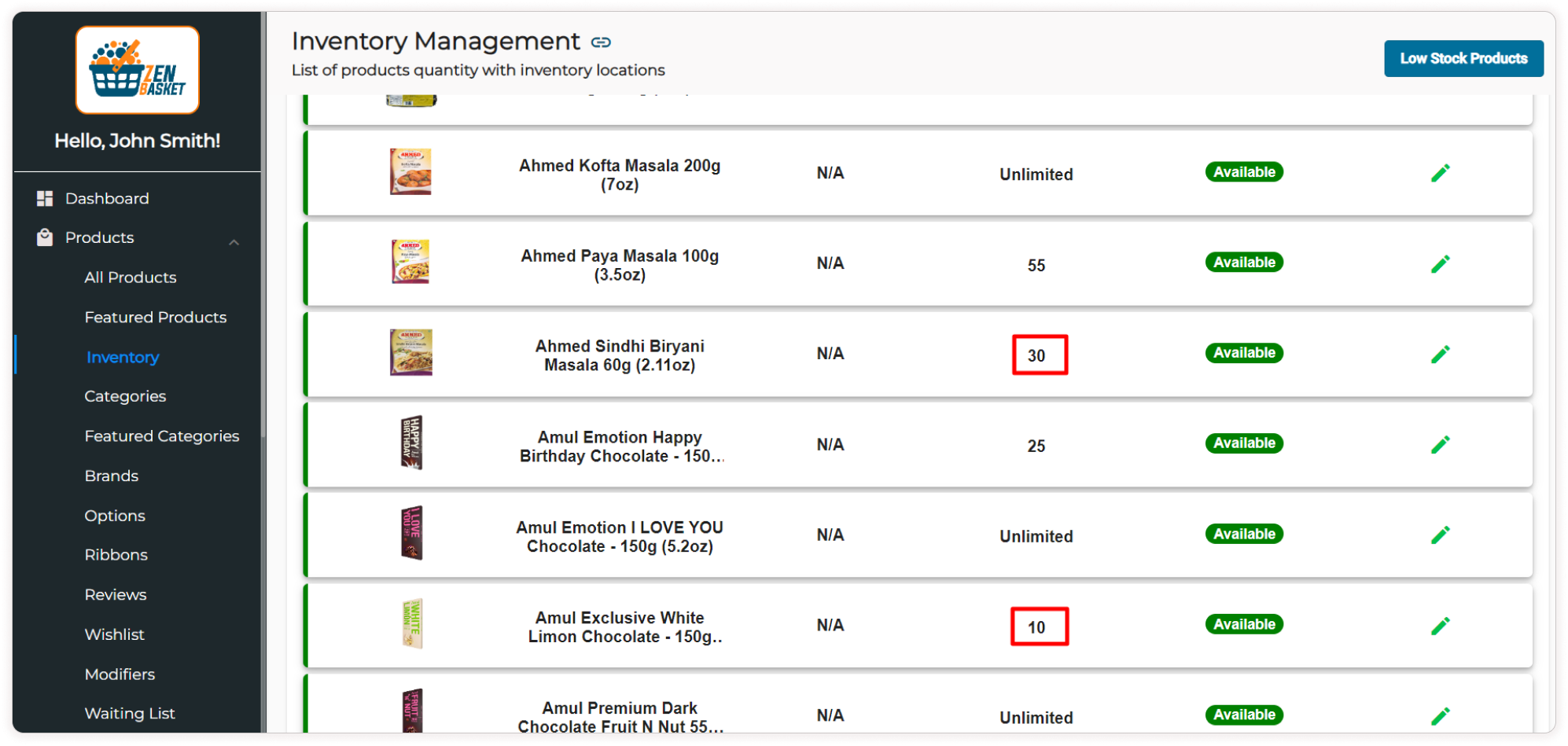
Return management can be a complex and time-consuming process. Simplify the returns with customer self-service return feature. When customers need to return a product, they are guided through the process, ensuring a seamless experience. Once the returned items are received and properly inspected for quality, products are restocked back into inventory. This streamlines your return process, saves time, and helps maintain accurate inventory records.
Store Admin Setup (after placing an order)
Storefront view (After returning the purchased items)
Store Admin Setup (Restock the products)
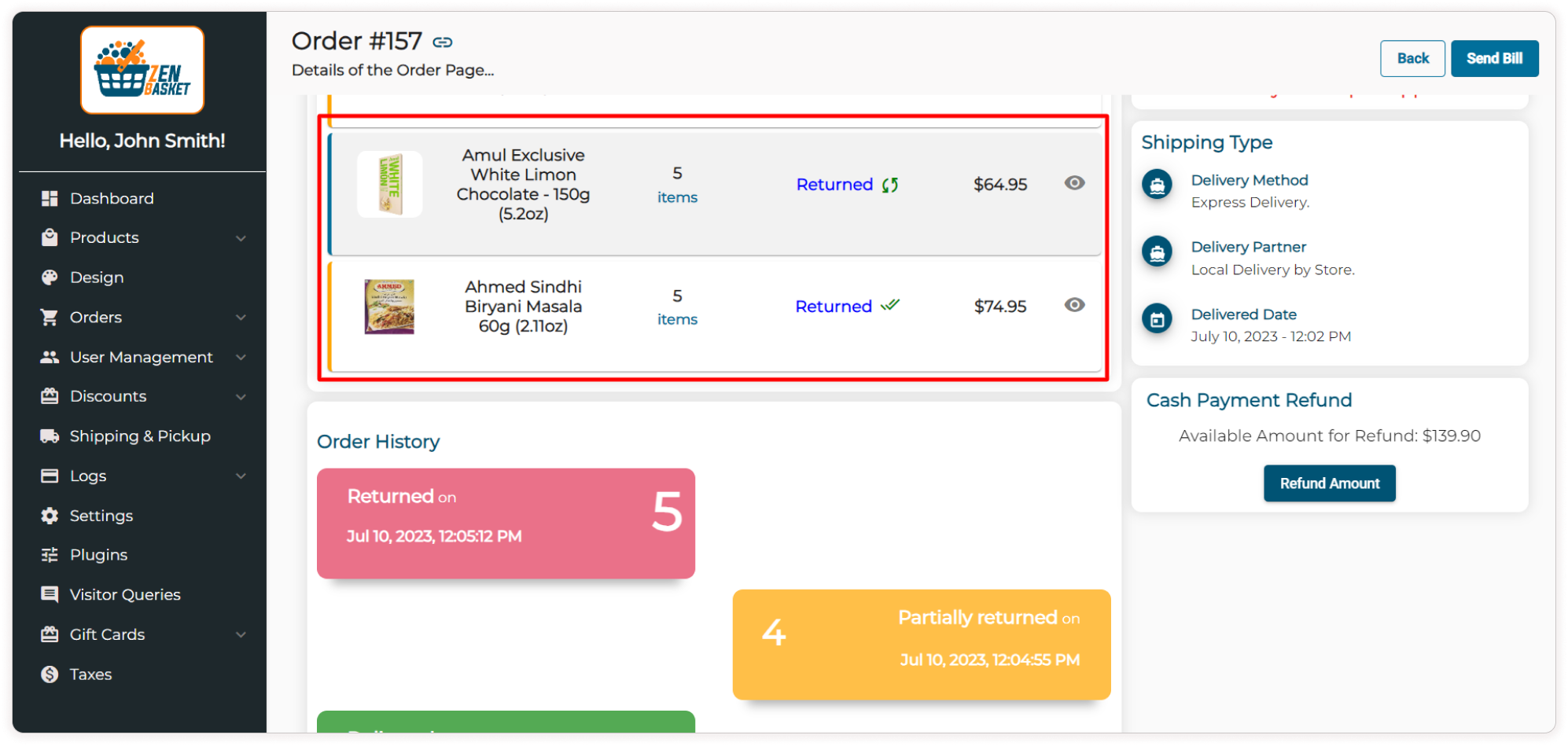
Store Admin Setup (Restocked after returning the products)
Conclusion
Effective inventory management is crucial for organizations of all sizes, leading to waste reduction, cost savings, and time efficiency. Maintaining optimal stock levels enhances customer satisfaction by ensuring product availability. Unfortunately, many businesses lack awareness of best inventory optimization practices, leading to operational failures. Even major corporations have faced setbacks due to inadequate inventory processes.
As an ecommerce business owner, it's essential to prioritize efficient inventory management to avoid these pitfalls. By implementing optimization techniques and focusing on efficient and cost-effective product delivery, you can minimize waste, save money, and streamline operations. To leverage advanced inventory management for your business, consider signing up for ZenBasket today! With ZenBasket, you can streamline your inventory processes, reduce costs, and optimize stock levels effectively.