Launching your online store is just the beginning. Getting people to visit, engage, and actually buy from you? That’s where the real journey begins. Customer acquisition is the backbone of every thriving ecommerce business, and if done right, it doesn’t just bring in traffic-it builds a loyal customer base.
Whether you’re launching your first store on ZenBasket or scaling an existing one, this guide will walk you through what customer acquisition means, why it matters, how to do it well, and what tools and strategies can give you a competitive edge.
What Is Customer Acquisition?
Customer acquisition is the process of attracting and converting new buyers to your brand. It's more than just marketing; it involves everything from awareness and interest to conversion and retention. The goal is to bring in people who will not only buy from you but come back again, strengthening your customer base over time.
One of the most effective ways to improve acquisition efforts? Identify your niche. Understanding who you serve helps you attract the right kind of customer faster.
Why It’s Crucial to Attract the Right Audience
Without customers, you don’t have a business. You might have great products and a beautiful storefront, but unless you're actively reaching new audiences and convincing them to buy, your growth will stall. Smart acquisition fuels revenue, brand visibility, and long-term loyalty. It also lays the foundation for retaining customers.
Where Your Customers Come From (Acquisition Channels)
1. Organic Channels
- Content Marketing (blogs, videos)
- SEO
- Word of Mouth
- Social Media (Instagram Reels, Pinterest, YouTube)
2. Paid Channels
- Google Ads
- Facebook & Instagram Ads
- Influencer Collaborations
3. Referral & Affiliate Channels
- Referral programs
- Affiliate marketing partnerships
4. Offline Channels
- Pop-ups and local events
- Personal referrals through community networking
Each channel plays a unique role. The trick is to know where your audience is and what kind of content or offer will move them.
With ZenBasket, you can easily connect your store to Facebook, Instagram, and Google to streamline acquisition.
Top Tools for Customer Acquisition
- Google Analytics - Track where your customers come from
- Meta Ads Manager - Run and manage social campaigns
- SEMRush / Ahrefs / Ubersuggest - Keyword and SEO tools
- Mailchimp / Klaviyo - Email marketing automation
- ReferralCandy / Yotpo - Customer referral and review tools
- Canva / InVideo - For content and ad creatives
Your Path to Conversion: The Acquisition Funnel
Understanding how users move from awareness to purchase is key. Here’s a simple breakdown:
1. Awareness - They discover your brand through ads, SEO, social media, or word-of-mouth.
2. Interest - They start engaging with your content, visit your store, or follow your social pages.
3. Consideration - They actively compare your product to others, read reviews, check FAQs, or sign up for your newsletter.
4. Intent - They show buying intent, such as adding multiple products to their cart or spending time on pricing and return policies.
5. Evaluation – They finalize their decision by evaluating offers, checking trust badges, or scanning return policies one last time.
6. Purchase - They complete the transaction and become a customer.
Each step requires different messaging and strategies.
Tactics That Actually Work
1. Content Marketing: Educate Before You Sell
Creating valuable content builds trust before you make the ask. Blog posts, how-to videos, infographics, and downloadable guides help your audience solve a problem and, in doing so, position your product as the solution. To improve your targeting, begin by deeply understanding your niche and crafting content that speaks directly to their needs, challenges, and interests. This approach not only attracts the right audience but also increases the chances of conversion by showing that you truly understand what matters to them.
2. Social Media Marketing: Be Where Your Audience Is
Organic and paid strategies on platforms like Instagram, Facebook, and TikTok are powerful for creating awareness and driving traffic. Use reels, live sessions, giveaways, and behind-the-scenes content to foster interest.
3. Referral Programs: Let Customers Market for You
Turn happy customers into advocates with referral programs that reward both parties (e.g., “Give ₹100, Get ₹100”).
4. Influencer Collaborations: Leverage Micro-Audiences
Partnering with nano- and micro-influencers can deliver high ROI on a budget. These creators may have smaller followings, but their audience trust is often deeper.
5. Email Marketing: Own Your Audience
Build a list early and offer useful content, launch updates, or limited-time offers to drive conversions. Use exit-intent popups or first-purchase discounts to capture email leads.
6. SEO: Get Found Organically
Focus on long-tail keywords and user intent. Optimize product descriptions, images, and blog content to increase discoverability on search engines.
7. Paid Ads: Accelerate Growth
When done right, they bring traffic, conversions, and insights fast. Always track CPC, conversion rates, and CAC to optimize campaigns.
8. Local Activations: Offline Can Fuel Online
Host workshops, attend fairs, or partner with local venues. Offline brand exposure builds deeper emotional connections.
9. First-Time Offers and Bundles
Strategic pricing helps new customers overcome hesitation. Create starter kits or discounts that provide value and drive urgency.
10. Customer Reviews and UGC
Social proof builds trust. Encourage reviews and highlight customer photos/videos across your site and socials.
How to Calculate Customer Acquisition Cost (CAC)
CAC = Total Marketing & Sales Costs / Number of New Customers Acquired
Example:
If you spent ₹20,000 on ads, email, and marketing in a month and acquired 100 new customers, your CAC is ₹200.
A healthy CAC is vital to sustainable growth. Track this monthly and compare it with LTV (customer lifetime value) for deeper insights.Include in CAC:
- Ad spend
- Salaries for marketing/sales staff
- CRM and tool subscriptions
- Freelancers/agency support
- Event or content creation costs
A healthy CAC is vital to sustainable growth. Track this monthly and compare it with LTV (customer lifetime value) for deeper insights.
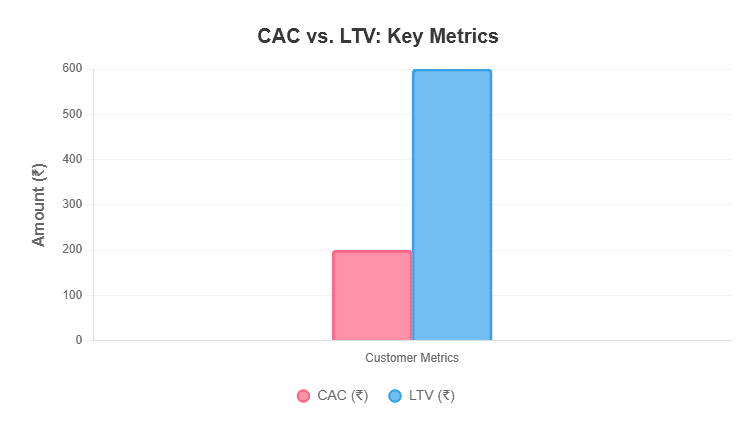
LTV : CAC Ratio = Customer Lifetime Value / CAC
Aim for a ratio of at least 3:1.
Ready to Build Your Customer Base with ZenBasket?
Customer acquisition doesn’t have to feel overwhelming. With ZenBasket’s simple store setup, marketing integrations, and support network, you can focus more on building relationships and less on the tech.
Start your store today, and meet your future customers faster.
Frequently Asked Questions
1. What is a good CAC for ecommerce?
It depends on your product and margin. As a general rule, your CAC should not exceed 30% of your customer's first purchase value unless LTV is very high.
2. What’s the difference between customer acquisition and customer retention?
Acquisition is about getting new customers. Retaining customers is about keeping them. You need both for sustainable growth.
3. How long does it take to see ROI on acquisition efforts?
Paid campaigns can show results in days. Organic methods (like SEO) may take months but yield long-term returns.
4. Should I focus on one channel or multiple?
Start with 1-2 based on your audience, then test and expand.