
Tell a story, not a statement
In a growing world, as individuals, we always want to present ourselves better than others, whether through our skills, talents, or the way we communicate. When we step into our professional roles, full of ambition and carrying a notebook filled with big ideas, we often believe that talent alone will set us apart. But reality hits fast. Everyone around us is smart, skilled, equally eager to make their mark, and ultimately, a competitor. Whether we like it or not, we have to compete with them.
Some people think that if they have talent and skills and boast about themselves, they can accomplish whatever they want in life. That is not true. If you want to stand out, you need more than talent; you need clarity about your goals and a strategic plan for how to accomplish them.
Start asking yourself questions, even if they seem stupid; ask and find the answers. Who are you? What do you do best? What makes you unique? What value do you bring to others? Write down your strengths and weaknesses. Identify the gaps in your industry and seek out opportunities. Opportunities aren't just lying around; you have to create them. A brand audit, even at a personal level, helps you evaluate how people perceive you online and offline. Highlight your unique value proposition. What makes you different from other professionals in your field?
All of these self-reflective questions are about you. They help you differentiate yourself from others and stand out. They form the foundation of a personal brand statement.
A Personal Brand Statement is a combination of your what and your why. Many of us know what our what is; it's our job title. When people ask, What do you do? During an interview, we usually just say our title. And while that's informative, what people are truly interested in is your why, what motivates you.
Why do you do the work that you do? For many, it might be to make a difference in the world, to see the impact of their work, or to create order out of chaos. So for you, it's about getting clear on your why because that's what makes you memorable. It's also what keeps you aligned with the work you truly love to do.
Personal Brand Statement
A personal brand statement is a short, concise, and memorable summary that defines your unique skills, value proposition, and target audience. It captures what you do, who you do it for, what makes you unique, and why you stand out in your field. Typically three sentences long, it balances passion with personality and acts like an elevator pitch, a brief, persuasive introduction used in networking events, job interviews, client meetings, social media bios, and casual conversations with potential collaborators.
- To build trust and credibility within your industry
- To attract opportunities such as partnerships, clients, and job offers
- To establish thought leadership by showcasing your expertise
Components of Personal Brand Statement
In a world full of noise, your brand statement acts like a verbal business card, instantly telling people what makes you unique, valuable, and unforgettable
Concise
Be direct about who you are, what you do, and how you bring value. Avoid Jargon or vague language to describe yourself. When people read or hear your statement, they should instantly understand your expertise without needing further explanati
Unique Value Proposition
Think about your strengths, values, personal experiences, and the results you consistently deliver. To spot the one thing that only you can offer in the way you offer it. This is one of your key brand pillars. It makes you different and is why someone should choose you over others.
Target Audience
Connect directly with the people you want to influence or serve. You should address their challenges and demonstrate to them that you understand their goals. It helps to easily position your message as the solution they're seeking.
Tone and Personality
Your tone should reflect your authenticity. Induce your brand statement with language that reflects your voice. Your tone makes your brand more human and memorable. People want to work with real people, not robotic titles or faceless roles. This is where visuals and brand colors meet your language.
Tips for Writing a Personal Brand Statement
Writing a personal brand statement isn't about summarizing your job title or listing your skills; it is about capturing the sense of who you are, what you stand for, and why it is important. Building your statement with a one-liner is your chance to make a bold first impression.
Start with your Why
Beginning with your why gives your brand soul. It reveals your values, offering a reason for people to trust and remember you. Ask yourself: Why do you write? Why do you choose the clients or projects you do? Your deeper approach draws the right audience; people connect more with meaning than with a title.
Signature Trait
Decide what your one thing people remember about your work or style? different from others. Perhaps you explain things clearly, write in a fun and creative way, or bring a calm and thoughtful tone to your work. It's your signature trait that people notice, and it is in your brand statement. It demonstrates how you do it that makes you stand out. Your brand audit will help you find out
Tagline
Your brand statement is a snapshot of your vibe. It should capture your energy, tonality, and value. Use vivid language, action verbs, and real-world results. Make people feel something or want to know more. Keep it sharp, fresh, and bold enough to stick in someone's mind. You're setting the tone, not listing your roles
Personality
Adding a glimpse of your philosophy shows you're a thinker. Your beliefs and values breathe life into your brand. These are invisible colors of your identity. It brings emotional texture and helps people connect with your mindset. What do you believe about your field? Include depth and resonance with your message. It’s your way of saying: Good content makes you pause. Great content makes you feel.
Living Sentence
Your brand statement grows along with you. It must reflect where you're headed now. Revisit it regularly to ensure it still aligns with your direction and ambition. Staying current keeps you aligned with your goals and ensures your messaging feels fresh to new connections. Think of it as a compass, not a conclusion.
Conclusion
First impressions are the best impression, whether they're professional or personal. A brand statement grabs attention and makes people start to follow you. When we talk about attention, attention spans are short, and competition is high. A clear, confident statement helps you stand out, communicate your value, and attract the right opportunities. Whether you're job hunting, networking, or building a business, invest time in creating your brand statement instead of copying someone else's. It is your strategic step toward long-term success.
Neil Patel is the founder of NP Digital. His brand statement is "Do You Want More Traffic?"
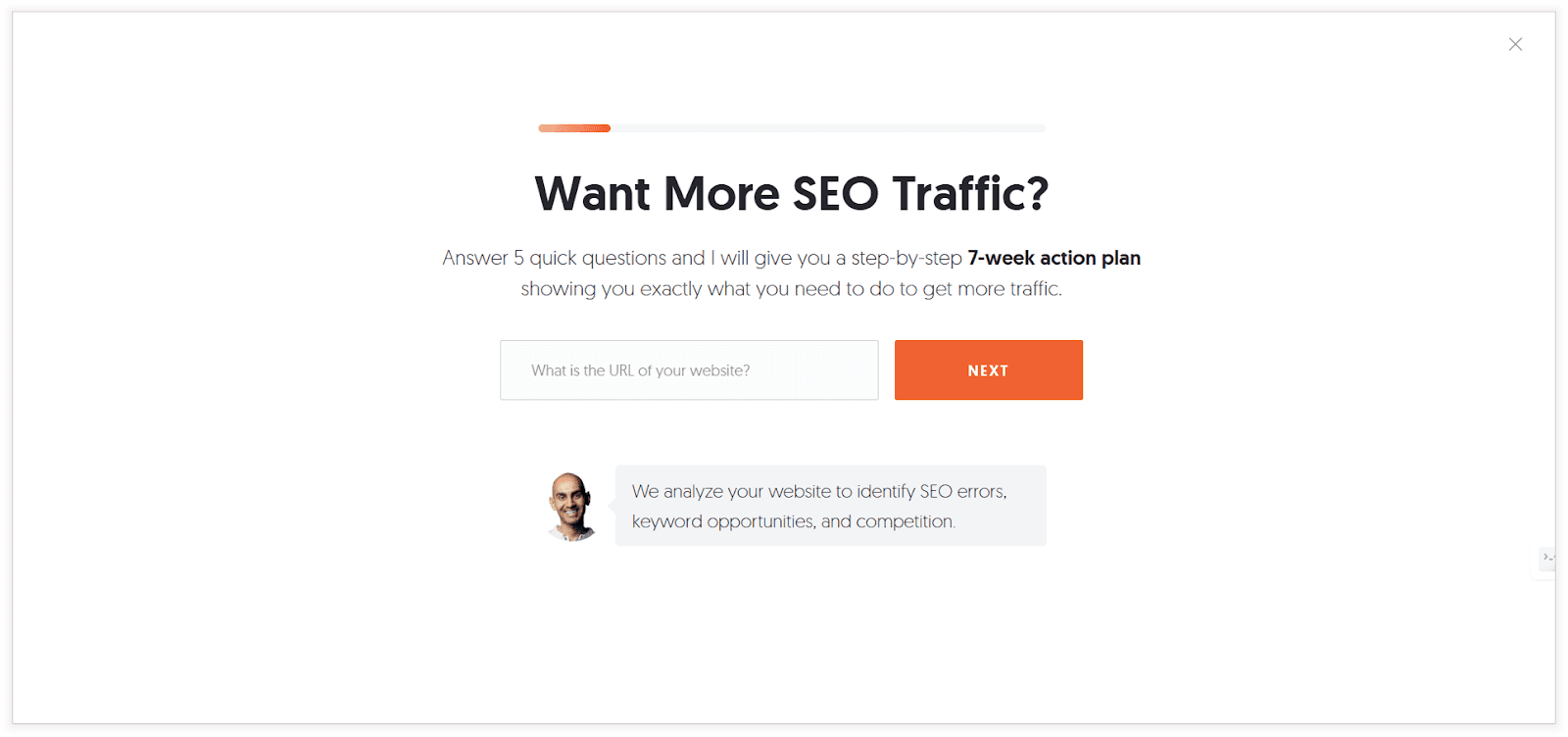
From his statement, we understand that if you want to analyze your website or understand your performance, especially at a beginner level, it guides you. It's like Google Search Console, helping you understand your content marketing aspects. Through his message, we see that he helps people get more traffic on search engines. Remember, your story is unique. Own it, refine it, and let it open doors for you.