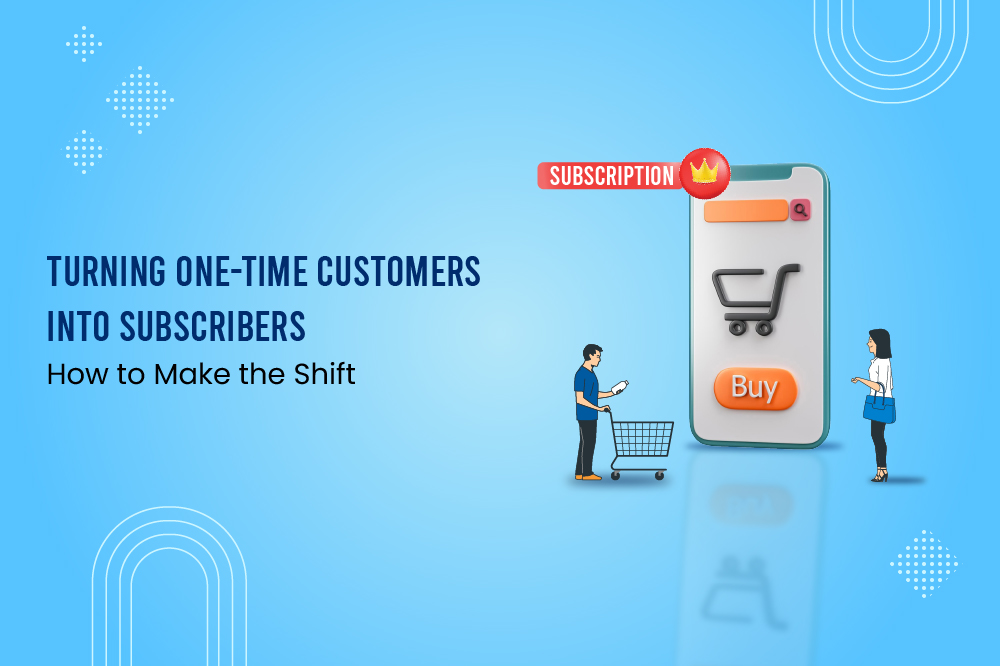
Steps to Convert One-Time Customers into Subscribers
Transitioning from one-time purchases to a subscription-based model is more than a business strategy; it's a transformation in how your store interacts with customers. By creating a system that nurtures repeat purchases, you not only enhance revenue but also build lasting relationships.
Here's how online store owners can successfully convert one-time customers into subscribers.
1. Understanding the Psychology of Subscriptions
The success of subscription models lies in understanding what drives customers to subscribe. Three key psychological triggers are:
- Convenience: Customers appreciate automated deliveries and fewer purchase decisions. Subscriptions make life easier, especially for essentials.
- Perceived value: Discounts, exclusive benefits, or premium service make subscriptions feel like a smart financial choice.
- Fear of Missing Out (FOMO): Highlighting limited-time subscription perks, like access to exclusive products, can prompt quick decisions.
By tapping into these motivations, you can craft marketing messages that resonate and encourage one-time customers into subscribers.
2. Strategies for a Smooth Transition
Transitioning to a subscription model doesn't have to disrupt your existing sales. Here's how to ease into it:
- Start small: Begin by offering subscriptions on popular products, such as consumables or items purchased regularly.
- Incentivize early adopters: Launch promotions like "first-month free" or "subscribe and save" discounts to entice customers.
- Utilize platforms like ZenBasket: ZenBasket"s product subscription allows you to enable single-product subscriptions with delivery frequency options and discount settings, streamlining the process for both you and your customers.
3. Tailor Subscription Plans to Customer Preferences
One-size-fits-all doesn't work for subscriptions. To win over one-time buyers, tailor your subscription offerings based on:
- Customer behavior: Use data to identify frequently purchased products that can be offered as subscriptions.
- Feedback: Regularly seek customer input on what they value most in a subscription.
- Flexibility: Offer customizable delivery frequencies and quantities, a feature made easy with platforms like ZenBasket.
When customers feel their needs are met, they're more likely to transition from occasional buyers to loyal subscribers
4. Leverage Seasonal Themes to Attract Subscribers
Seasonal marketing is a powerful tool for converting one-time customers into subscribers. Align your offerings with key moments like:
- Holidays: Offer curated subscription boxes for gifting.
- Back-to-School seasons: Promote school supplies or lunchbox snacks as recurring options.
- New Year resolutions: Launch health, fitness, or organization-focused subscriptions at the start of the year.
By tying subscriptions to timely events, you tap into customer motivations when they're most likely to act.
Overcoming Common Roadblocks in Subscription Models
While the subscription model offers numerous benefits, it's not without its challenges. To successfully transition from a one-time purchase model to a subscription-based business, it's essential to address the potential roadblocks that may arise. Here's how to tackle the most common challenges:
1. Pricing strategies
One of the most critical aspects of a successful subscription model is getting your pricing right. If your pricing is too high, you risk losing potential subscribers, while pricing it too low may harm profitability. Research your competitors and understand the market rates for similar products. Ensure your pricing is attractive while offering sufficient value to your customers.
Offer different subscription levels with varying benefits. For example, a basic plan for a single product and a premium plan that includes exclusive perks or more frequent deliveries. This model allows customers to choose what fits their budget and needs, helping to increase conversion rates.
2. Customer churn
Customer churn-the rate at which subscribers cancel-is one of the most significant challenges for any subscription business. Retaining subscribers is key to maintaining consistent revenue. Here's how to reduce churn:
- Monitor cancellations: Track when and why customers cancel their subscriptions. Do they find the product less useful over time? Are they experiencing issues with delivery or pricing? Understanding these reasons can help you identify patterns and improve your offering.
- Proactive engagement: Reach out to customers who show signs of dissatisfaction. Offer personalized solutions, such as special discounts or tailored recommendations, to address their concerns.
- Refine offerings: Regularly assess and improve your subscription packages to keep them attractive to your customers. Consider adding new features, varying delivery options, or introducing exclusive content to add more value.
3. Inventory management
Managing inventory effectively is crucial for the success of a subscription model, as recurring orders can lead to supply chain complexities. Poor inventory management can result in delays, stockouts, or overstocking, all of which can negatively impact the customer experience. Here's how to overcome these challenges:
- Forecast demand: Use analytics and sales data to predict demand accurately. By understanding trends and purchasing behavior, you can estimate how many products you'll need each month and plan your inventory accordingly.
- Flexible stocking: For seasonal products or limited-edition offerings, it's crucial to adjust inventory levels to align with demand fluctuations. ZenBasket's inventory automated tracking feature simplifies this process by instantly updating product stock levels in real-time as orders are placed, eliminating the need for manual adjustments. Additionally, the low stock notification feature ensures that you never face the consequences of running out of stock, allowing you to replenish inventory promptly. Offering flexible shipping dates or subscription pauses during peak seasons can also help manage inventory without compromising service.
Measure and Optimize Subscription Performance
To maximize the success of your subscription model, track these key metrics:
- Churn rate: The percentage of subscribers who cancel. Lower churn indicates a strong retention strategy.
- Customer Lifetime Value (CLV): The total revenue generated by a subscriber. A higher CLV means better long-term profitability.
- Monthly Recurring Revenue (MRR): A clear indicator of your subscription model's financial health.
Conclusion
Transitioning from one-time customers to loyal subscribers is not just a shift in sales strategy-it's a long-term investment in your business's growth and customer relationships. By implementing thoughtful subscription models, leveraging insights, and focusing on value-driven engagement, you can create a subscription experience that resonates with your audience. As you address challenges and optimize strategies, remember that the key to success lies in understanding your customers' needs and delivering convenience, flexibility, and consistent value. With the right approach, you’re not just building recurring revenue-you're fostering lasting connections that drive your ecommerce success forward.
Start today with ZenBasket, and transform your ecommerce business into a hub of loyalty, convenience, and growth!
FAQs
1. How to convince a customer to keep the subscription?
To retain customers, focus on delivering consistent value and convenience. Highlight exclusive benefits like subscriber-only discounts, free perks, or flexible delivery options. Personalize the experience by offering tailored recommendations or reminders. Regular communication, such as updates on new offerings or feedback-based improvements, also helps reinforce the value of their subscription.
2. How to get customers to subscribe?
Encourage subscriptions by emphasizing the benefits, such as cost savings, convenience, or exclusive access to products. Use psychological triggers like limited-time offers, free trials, or "Subscribe and Save" deals to create urgency. Ensure the subscription process is seamless, with clear options and flexibility. Showcasing positive customer reviews or testimonials can also build trust and influence new sign-ups
3. How do I create a subscription plan?
Creating a subscription plan involves understanding your customers' needs and designing a model that fits their preferences. Start by identifying products or services that suit recurring purchases. Determine pricing strategies, such as tiered plans or bundled offerings, to provide options. Platforms like ZenBasket make it easy to set up subscription plans by enabling delivery frequency settings, discounts, and product-specific subscriptions directly.
4. What is the ZenBasket subscription model?
ZenBasket's single-product subscription model allows online store owners to offer flexible, recurring purchase options for their customers. Features include customizable delivery frequencies (daily, weekly, monthly, and yearly), exclusive subscriber discounts, and real-time inventory management. Customers can easily subscribe to products with options to select quantity and frequency, ensuring a hassle-free shopping experience that boosts retention and revenue for store owners.