Dream of owning an online store but are intimidated by coding? Fear not! With the rise of user-friendly ecommerce platforms, you can now create a stunning online store without writing a single line of code.
You don't need to be a tech wizard to start your own online business. With the right tools, you can build a professional ecommerce store in just a few simple steps. In this guide, we'll explore the best free ecommerce platforms and show you how to create a stunning online store without any coding experience. From choosing a domain name to setting up payment gateways, they'll cover everything you need to know. Whether you're selling handmade crafts, digital products, or physical goods, they'll help you start your entrepreneurial journey.
Why Build a Free Online Store?
- Low startup cost: No need for expensive web development or hosting fees.
- Easy to manage: User-friendly interfaces make it simple to update and maintain your store.
- Global reach: Sell your products to customers worldwide.
- 24/7 sales: Your store is always open, generating revenue around the clock.
Top Ecommerce Platforms with Free Trial
1. ZenBasket
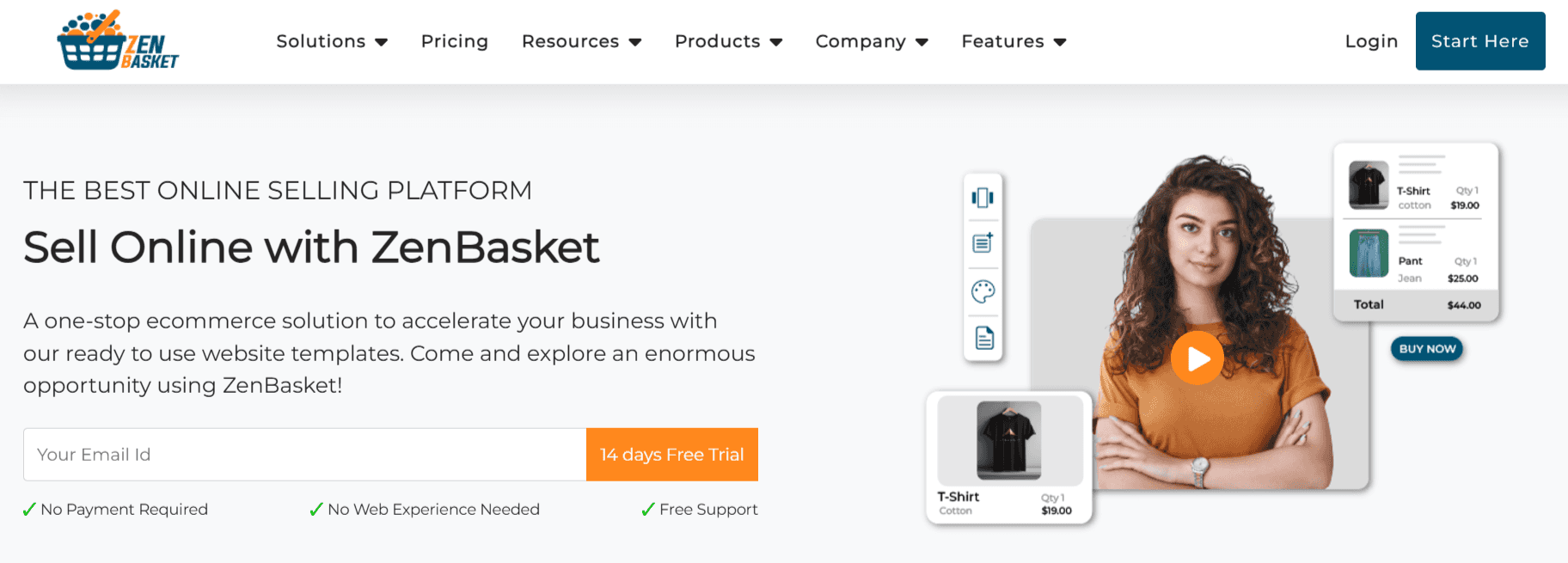
ZenBasket is a user-friendly platform that simplifies the process of creating and managing an online store. It offers a range of features to help you grow your business, including:
- Easy-to-use interface: No coding is required, making it accessible to anyone.
- Affordable pricing: Cost-effective plans to suit various budgets.
- 14-day free trial: Test the platform risk-free.
- Bulk product editing: Quickly update multiple products at once.
- Sales and customer data insights: Track your store's performance and customer behavior.
- Mobile app: Manage your store on the go.
- Sales recovery features: Recover lost sales by re-engaging potential customers.
2. Shopify
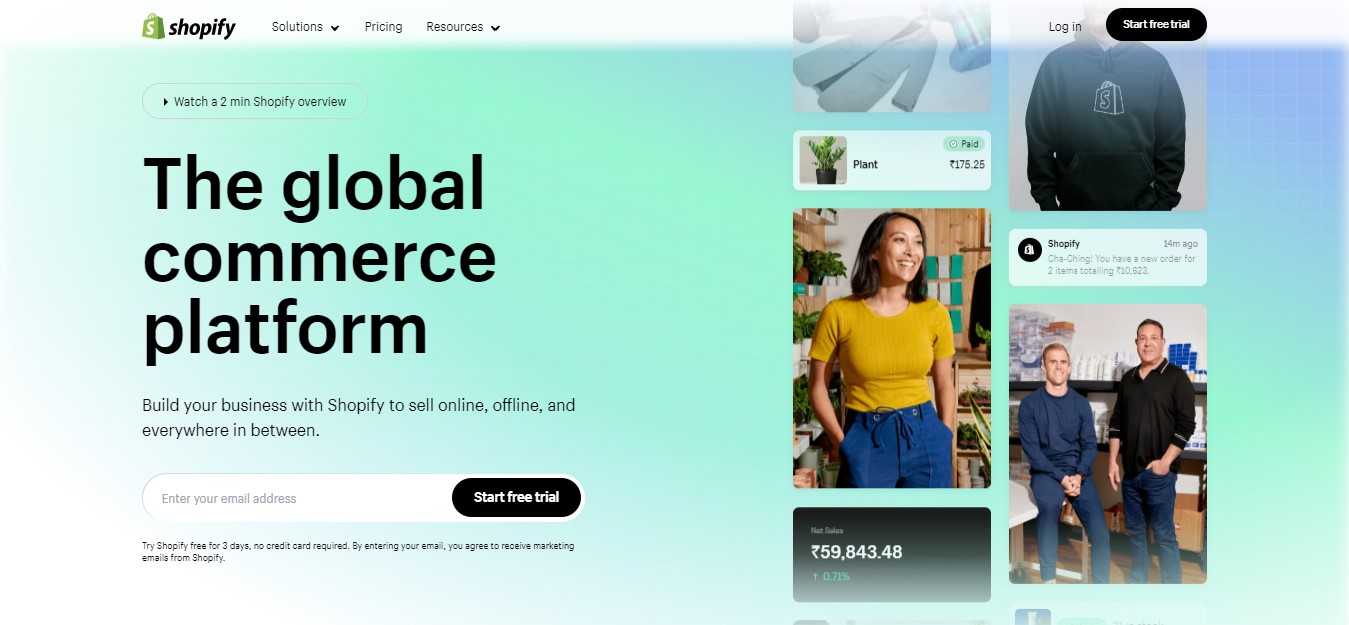
Shopify is a popular ecommerce platform known for its user-friendly interface and extensive app store. It offers a wide range of features to help you build and grow your online store.
3. Wix

Wix is a versatile platform that allows you to create beautiful and professional websites, including online stores. It's easy to use, even for beginners, and offers a variety of customization options.
4. WooCommerce
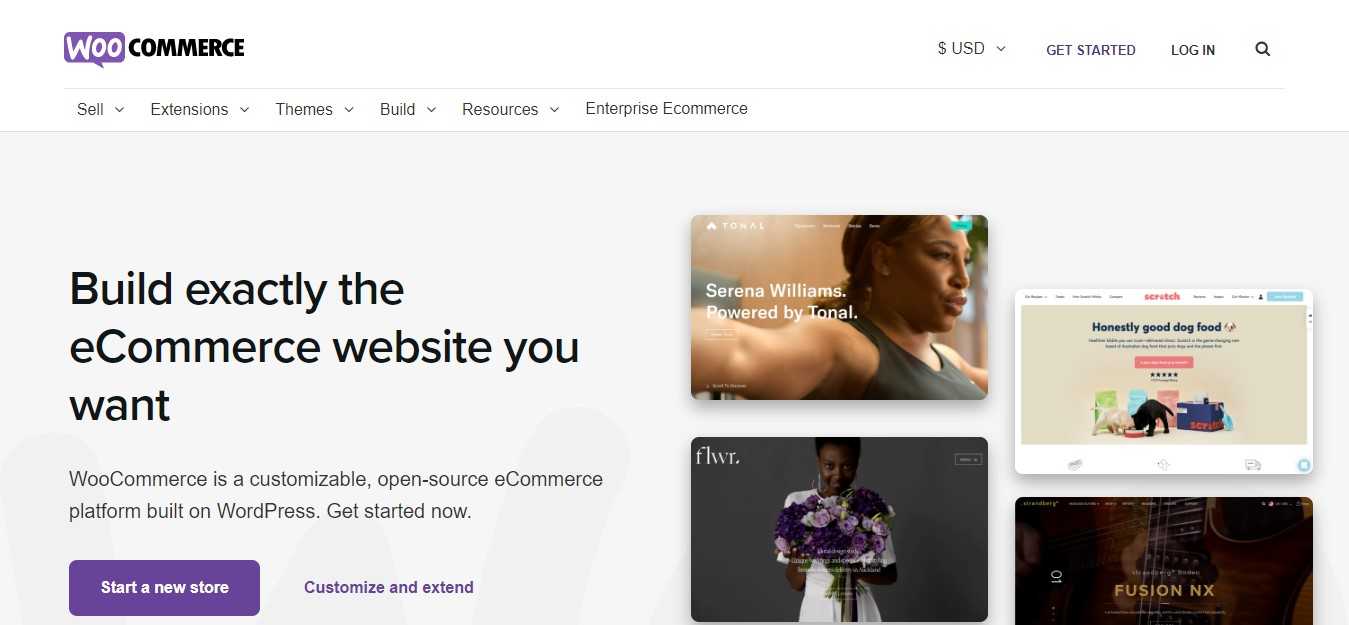
WooCommerce is a powerful open-source plugin for WordPress. It offers a high degree of customization, making it suitable for complex online stores.
By choosing one of these platforms, you can easily create your online store and start selling your products or services.
Step-by-Step Guide to Building Your Ecommerce Store
1. Choose a platform: Select a platform that aligns with your business goals and technical skills. Consider factors like ease of use, customization options, and pricing.
Factors to Consider When Choosing a Platform
- Ease of Use: How user-friendly is the platform?
- Customization Options: Can you customize the look and feel of your store?
- Pricing: What are the monthly fees and transaction fees?
- Scalability: Can the platform handle future growth?
- SEO:Does the platform offer SEO tools to improve your store's visibility?
2. Pick a domain name: Choose a memorable and relevant domain name for your store that will be easy to remember and spell. The domain must reflect your store's products or services.
Factors to consider when choosing a domain name
- Keep it simple: Short domain names are easier to remember.
- Use keywords: Incorporate relevant keywords to improve search engine visibility.
- Avoid hyphens and numbers: They can make your domain name harder to remember.
- Consider your brand: Choose a name that aligns with your brand identity.
3. Design your store: Customize your store's appearance with themes and templates. Choose a design that reflects your brand and appeals to your target audience.
4. Add products:
- Product information: Provide detailed product descriptions, including features, benefits, and specifications.
- High-quality images: Use clear and high-resolution images from multiple angles.
- Pricing strategy: Set competitive prices that cover your costs and generate profit.
- Inventory management: Keep track of your inventory levels to avoid stockouts.
5. Set up payment gateways: Integrate popular payment processors like PayPal, Stripe, or Square to enable secure online payments.
6. Configure shipping settings:
- Shipping rates: Define shipping rates based on weight, distance, or product category.
- Packaging and handling: Choose appropriate packaging materials and handling procedures.
- Shipping carriers: Select reliable shipping carriers to ensure timely delivery.
7. Optimize for SEO:
- Keyword research: Identify relevant keywords to target your ideal customers.
- On-Page SEO: Optimize your product titles, descriptions, and meta tags.
- Off-Page SEO: Build backlinks to your website from other reputable websites.
8. Launch your store: Once you've completed all the necessary steps, make your store live and sell your products. Share your store's launch on social media, email newsletters, and other marketing channels.
Bonus Tips for Your Success
- High-quality product photos: Use professional-quality images to showcase your products.
- Compelling product descriptions: Write engaging descriptions that highlight the unique features and benefits of your products.
- Secure checkout process: Implement strong security measures to protect your customers' information.
- Effective marketing: Utilize social media, email marketing, and whatsapp marketing to attract customers.
- Excellent customer service: Respond promptly to customer inquiries and resolve issues efficiently.
- Mobile optimization: Ensure your store is mobile-friendly to cater to the growing number of mobile shoppers.
- Analytics: Use analytics tools to track website traffic, customer behavior, and sales performance.
Conclusion
Ready to turn your entrepreneurial dream into reality? By following the steps outlined in this guide, you can easily create a thriving online store without any technical expertise. With the right platform, a bit of creativity, and a lot of passion, you can build a successful online business.
So, what are you waiting for? Start your online journey today with ZenBasket!
FAQs:
1. Do I need any technical skills to build an online store?
No, you don't need any coding or technical skills. Ecommerce platforms like ZenBasket, Shopify, Wix, and WooCommerce are designed to be user-friendly and easy to use, even for beginners.
2. How much does it cost to build a free online store?
While platforms are free, costs may arise for domains, hosting, and premium features. Many offer free plans and trials for premium options to explore advanced tools before committing.
3. Why should I choose ZenBasket?
ZenBasket is a user-friendly ecommerce platform that empowers businesses to sell online without coding. It offers affordable plans, efficient tools, and valuable insights to help you grow your business. Take the first step towards your online business.
4. How can I attract customers to my online store?
- There are several strategies to attract customers to your online store, including:
- SEO: Optimize your website for search engines to improve visibility.
- Social Media Marketing: Use social media platforms to promote your products.
- Email Marketing: Build an email list and send regular newsletters.
- Paid Advertising: Use paid advertising platforms like Google Ads and Facebook Ads.
5. How can I ensure the security of my online store?
To ensure the security of your online store, you should:
- Choose a reputable ecommerce platform.
- Use strong passwords.
- Keep your software and plugins up-to-date.
- Regularly monitor your website for security threats.