AI is revolutionizing how people search for information online. With tools like Google AI Overviews, users get instant answers at the top of search results. This shift is redefining how ecommerce brands must think about website content and visibility.
Instead of simply aiming to rank in traditional search results, ecommerce businesses now need to understand how Google AI Overviews work - because they can directly determine whether potential customers ever see your products.
What Are Google AI Overviews?
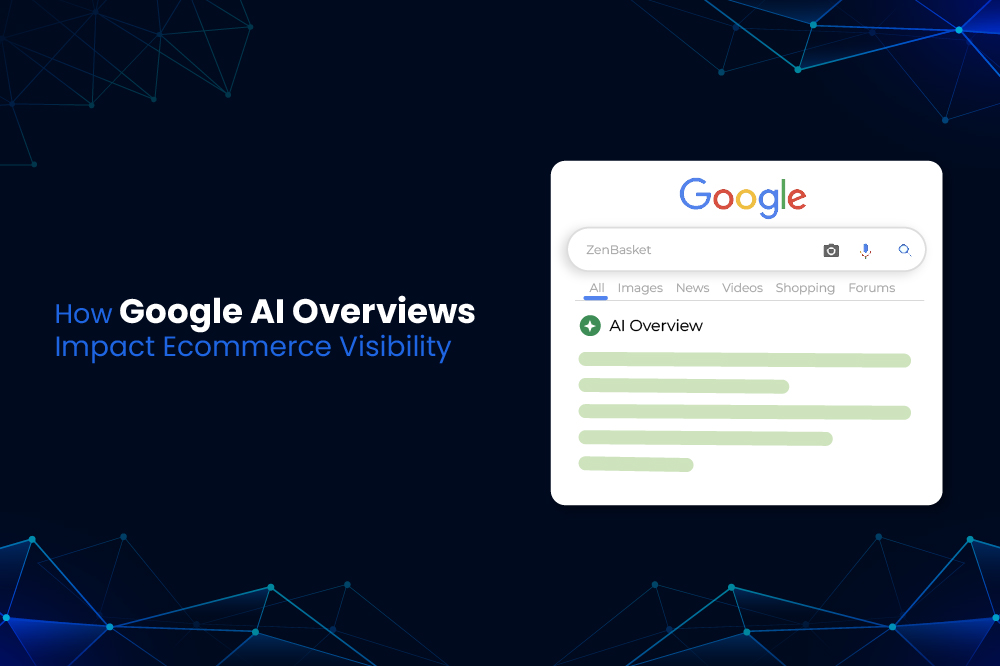
Google AI Overviews are AI-generated summaries shown at the top of Google's search results. When someone searches for a topic, Google gathers relevant information from various websites and presents a concise, structured answer.
Example:
If a user searches for "best running shoes for flat feet", an AI Overview might list top shoes with ratings and reviews - skipping over lengthy articles or ads.
This can include content from major brands, independent blogs, or smaller ecommerce sites - as long as the content is relevant, structured, and trustworthy.
Why Do AI Overviews Matter for Ecommerce?
Fewer Visitors to Product Pages
Users can get answers directly from the search results, reducing clicks to your product pages. This zero-click behavior can mean fewer opportunities for conversions and less brand exposure.
Increased Competition
Google AI Overviews often pull content from websites that don't rank highly in traditional organic results. Research shows 80% of sources in AI Overviews don't rank on page one for the query, and even top-ranking pages have only an 8% chance of being featured. This opens opportunities for smaller competitors.
Higher Standards for Content
Google prioritizes websites with high-quality, structured content - especially pages with detailed product information, specs, images, and reviews.
Changing User Behavior
Shoppers now expect quick, direct answers. Your content must solve their problems immediately, rather than just promote products.
How Google AI Uses Product Information for Overviews
Google AI Overviews pull structured data from your ecommerce pages, including:
- Product Descriptions - Clear, accurate summaries.
- Features & Specs - Essential details like materials, dimensions, or unique features.
- Pricing - Up-to-date and competitive pricing.
- Reviews & Ratings - Aggregated user feedback builds trust.
- Product Images - High-resolution visuals with descriptive alt text.
- Historical Data - Insights like past popularity or customer trends.
Structured data (schema markup) helps Google accurately extract and display this information in AI Overviews.
The Role of EEAT in AI Overviews
Google evaluates Experience, Expertise, Authoritativeness, and Trustworthiness (EEAT) to decide which content to feature in AI Overviews.
- Publishing authentic reviews with customer photos.
- Sharing real customer experiences.
- Creating expert guides or comparisons.
- Avoiding vague or purely AI-generated content without real insights.
Risks for Ecommerce Brands
- Reduced Conversions: If shoppers don't click through, they won't see or buy your products.
- Increased Competition: Better-optimized competitors may capture your spot in AI Overviews.
- Loss of Brand Visibility: Zero-click searches reduce brand discovery unless your content is featured.
Opportunities with Google AI Overviews
- Quality Content Levels the Field: Small ecommerce sites can compete if they answer real customer questions clearly and concisely.
- Visibility Without Ranking #1: You don't need to be the top organic result to appear in an AI Overview.
- Authority Through Transparency: Genuine reviews and detailed product data help you earn trust with Google and shoppers.
How to Optimize Ecommerce Content for Google AI Overviews
Research Customer Questions
Use tools like Google Search Console or AnswerThePublic to find common queries.
Create Structured, Helpful Content
Write concise product descriptions, specs, and buying guides answering those queries.
Highlight Real Customer Experiences
Add authentic reviews, testimonials, and user photos on your product pages.
Use High-Quality Images
Include multiple angles, lifestyle shots, and alt text for SEO and accessibility.
Target Long-Tail Keywords
Focus on specific, detailed search queries like "best budget noise-canceling headphones” to match intent.
Implement Structured Data & Schema Markup
Add Product, Review, and FAQ schema to help Google accurately extract your product information.
- Use Google's Structured Data Markup Helper.
- Test with Google's Rich Results Test to ensure correct implementation.
Monitor Performance
Track impressions and clicks in Google Search Console. Adjust your content if traffic drops or user behavior changes.
Key Takeaways
- Google AI Overviews can reduce website clicks - but also create opportunities for ecommerce brands that provide clear, structured, and relevant content.
- Structured data, genuine reviews, and user-friendly visuals are crucial to appear in AI Overviews.
- Focusing on customer questions and long-tail keywords helps you stay competitive, even against bigger brands.
Final Thoughts
Google AI Overviews are changing how shoppers interact with search results. By creating structured, concise, and user-focused content, your ecommerce brand can maintain visibility and even outperform larger competitors - turning the AI revolution into your advantage.