The digital commerce landscape is in a state of perpetual flex. Traditional, monolithic ecommerce platforms are struggling to keep pace with the ever increasing demands of modern consumers. In this dynamic environment, headless commerce has emerged as a revolutionary approach, empowering businesses with unparalleled flexibility and control over their online storefronts.
.png)
Decoupling the Head from the Body: Understanding Headless Commerce
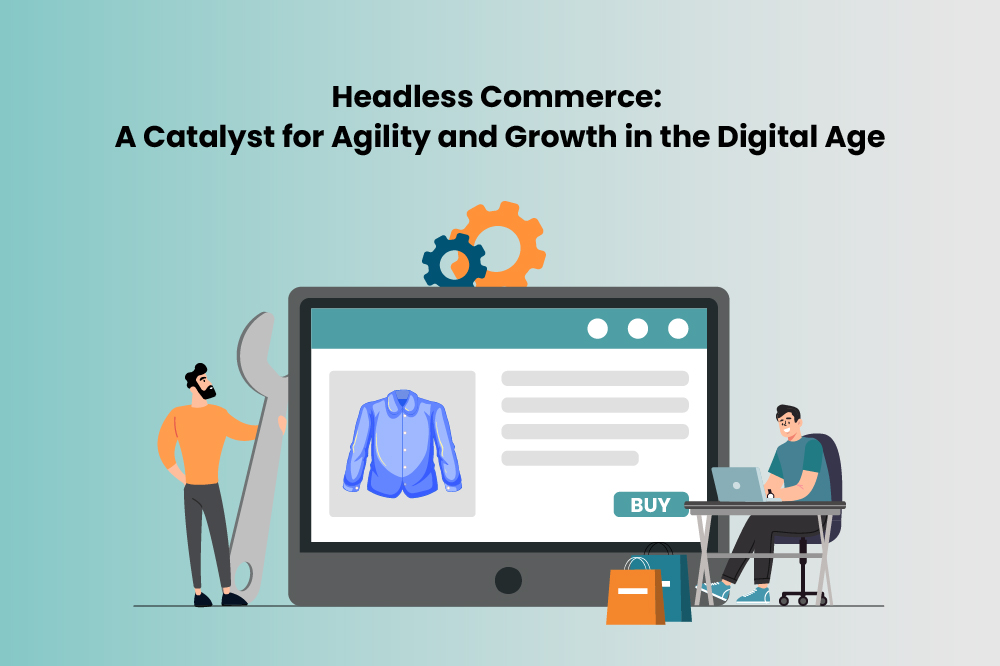
Headless commerce refers to the decoupling of the front-end presentation layer (the "head") from the back-end ecommerce functionality (the "body"). In a traditional commerce setup, the front-end and back-end are tightly integrated, meaning that any changes to the user interface require corresponding changes to the underlying ecommerce platform.
With headless commerce, the front-end and back-end are separated, allowing businesses to easily make changes to the user interface without disrupting the core ecommerce functionality. This decoupling is made possible through the use of APIs (Application Programming Interfaces) that enable seamless communication between the front-end and back-end systems.
.png)
Headless Commerce vs Traditional Commerce
Traditional commerce solutions can limit businesses by the capabilities and constraints of the chosen platform. Customizing the user interface or implementing new features can be challenging and resource intensive. Additionally, delivering consistent experiences across various channels and devices can be built.
Headless commerce, on the other hand, offers a more flexible and scalable solution. By separating the front-end and back-end, businesses can choose the best suited technologies for each layer. This allows them to leverage cutting edge front end frameworks, CMS ( Content Management Systems), and design tools to create compelling user experience. Furthermore, headless commerce empowers businesses to deliver consistent experiences across multiple touchpoints, such as websites, mobile apps, voice assistants, and even IoT devices.
.png)
Benefits of Headless Commerce
Flexibility
Businesses can readily experiment with new front end technologies and make UI changes without disrupting core ecommerce functionality. This agility allows them to adapt quickly to evolving market demands and customer preferences.
Scalability
Headless commerce enables businesses to scale their online storefronts more effectively. The decoupled architecture allows them to handle increased traffic and transactions without compromising performance, particularly crucial during peak periods like holiday shopping surges.
Omnichannel Capabilities
Headless commerce empowers businesses to deliver consistent and personalized experiences across various channels and devices. Whether customers are shopping on a website, mobile app, or using a voice assistant, businesses can provide a seamless experience that enhances customer satisfaction and loyalty.
Integration Possibilities
Headless commerce allows for easier integration with other systems and technologies. Businesses can connect with CRM software, marketing automation tools, or third-party services to create a more holistic and integrated ecosystem.
Future-Proofing
Headless commerce provides businesses with a future-proof solution. As technology continues to evolve, new touchpoints and devices will emerge. With a headless architecture, businesses can adapt quickly and efficiently to these changes, ensuring they stay ahead of the curve.
.png)
Challenges of Headless Commerce
While headless commerce offers numerous benefits, it's important to be aware of the challenges that come with this approach:
Complexity
Headless commerce introduces added complexity compared to traditional commerce setups. Businesses need to manage multiple systems, APIs, and integrations, which require technical expertise and coordination between different teams.
Cost
Implementing a headless commerce solution can be more expensive upfront. Businesses need to invest in building or configuring the front-end and back-end separately. However, the long-term benefits in terms of flexibility and scalability often outweigh the initial costs.
Skill Set
Businesses may need to hire or train developers with expertise in front-end technologies and API integrations to effectively manage and maintain the headless commerce architecture.
Third-Party Dependencies
Depending on the chosen technologies and APIs, businesses may become reliant on third-party vendors for updates, support, and compatibility. It's crucial to consider these dependencies and choose reliable partners.
.png)
The Future of Headless Commerce
Looking ahead, headless commerce is poised for continuous growth. As businesses prioritize delivering seamless and personalized experiences across various channels, headless commerce provides the necessary flexibility and scalability.
Advancements in technology, such as the increasing adoption of AI (Artificial Intelligence) and machine learning, will further enhance headless commerce capabilities. These technologies will enable businesses to leverage customer data more effectively, personalize experiences, and optimize their ecommerce operations.
Furthermore, the rise of IoT (Internet of Things) devices and voice assistants will create new opportunities for headless commerce. Businesses will be able to connect with customers through a wider range of touchpoints, providing a more integrated and convenient shopping experience.
FAQs
Refined the existing FAQ content for better readability and flow
1. What is Headless Commerce, and How Does it Differ from Traditional Ecommerce?
Headless commerce separates the front-end presentation layer (user interface) from the back-end ecommerce functionality (data processing and order management). This allows for independent updates to the user interface without affecting core ecommerce operations, unlike traditional commerce where they are intertwined.
2. What are the Key Benefits of Implementing a Headless Commerce Architecture?
Headless commerce offers greater flexibility, scalability, omnichannel capabilities, integration possibilities, and future-proofing for technological advancements.
3. What Challenges should Businesses Consider when Transitioning to a Headless Commerce Model?
Businesses should be mindful of increased complexity, initial costs, skill set requirements for managing the architecture and potential dependencies on third-party vendors.
4. How Does Headless Commerce Enable Businesses to Deliver Consistent Omnichannel Experiences?
Headless commerce empowers businesses to create a unified shopping experience across various channels (websites, mobile apps, voice assistants, etc.) by managing content and product data centrally while allowing for customization of the front end presentation on each channel.
5. How Can Businesses Leverage Headless Commerce to Future-Proof their Ecommerce Operations in 2024 and Beyond?
Businesses can future-proof their ecommerce operations by utilizing headless commerce, to adapt to market changes, handle increased traffic, integrate with emerging technologies, and personalize customer journeys across all touchpoints.
.png)
The Transformative Potential of Headless Commerce
In conclusion, headless commerce offers businesses the ability to adapt and thrive in the ever-evolving digital commerce landscape. While it presents certain challenges, the benefits of flexibility, scalability, and omnichannel capabilities make headless commerce an attractive option for businesses looking to future-proof their ecommerce strategies. Platforms like ZenBasket can be a strong fit for businesses seeking these advantages, offering a user-friendly interface, mobile app management, and a variety of features to enhance the customer experience. As we move into 2024 and beyond, headless commerce will undoubtedly continue to shape the future of digital commerce, allowing businesses to deliver seamless shopping experiences across any touchpoint.
- Personalize Customer Journeys : Headless commerce empowers businesses to leverage customer data to create personalized shopping experiences across all touchpoints. This can include targeted product recommendations, personalized content, and tailored promotions.
- Embrace Emerging Technologies : The decoupled nature of headless commerce makes its easier to integrate with new technologies like AI and AR (Augmented Reality). This allows businesses to explore innovative features like AI powered chatbots for customer service or AR product visualizations to enhance the shopping experience.
- Optimize Operations : Headless commerce provides businesses with valuable data and insights from various touchpoints. This data can be used to optimize inventory management, logistics and marketing campaigns, leading to improved efficiency and profitability.
By embracing headless commerce, businesses can gain a significant competitive edge in the dynamic digital commerce landscape. The ability to adapt quickly to changing consumer behaviors, personalize customer experiences, and leverage emerging technologies will be paramount for success in the years to come.