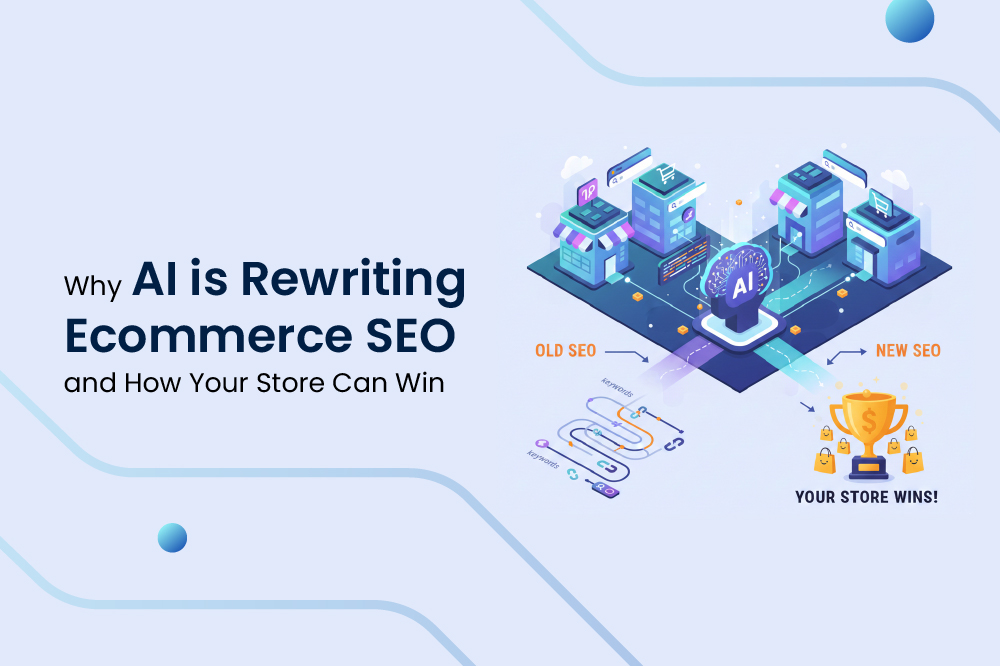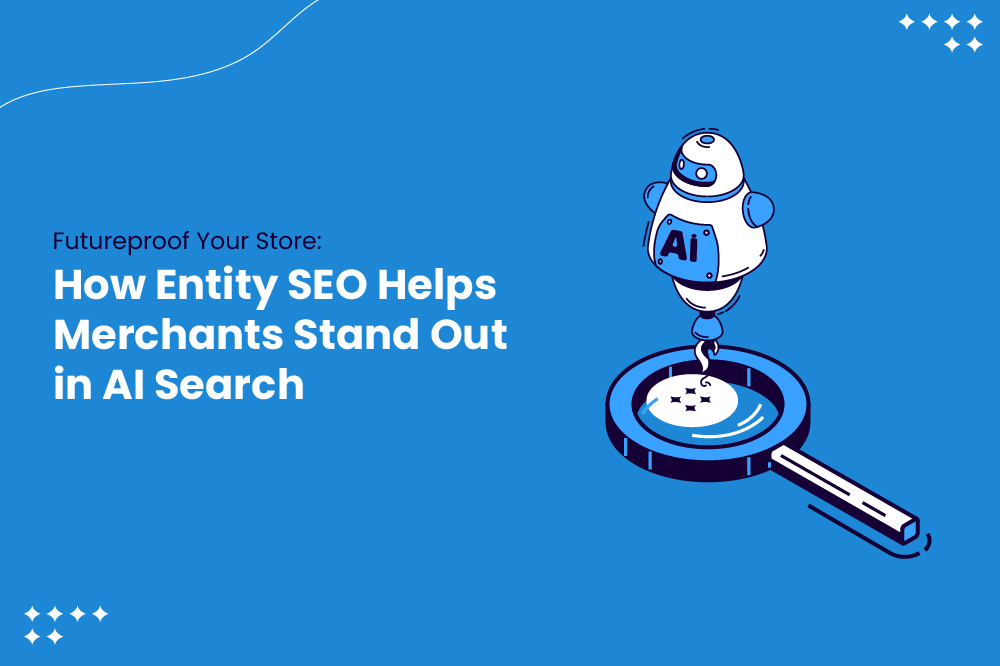
As AI continues to reshape how customers discover products online, search is becoming less about keywords and more about understanding. Search engines now identify brands, products, and topics as entities, connecting them within a larger knowledge network. For merchants, this shift means one thing: your online store must be structured in a way that AI can easily recognize, categorize, and trust.
If you're running your store on our platform, you already have the tools to stay ahead. But to truly futureproof your visibility, you need to adopt Entity SEO-the modern approach to search optimization built for AI-driven discovery.
Why Entity SEO Matters for Merchants
Traditional SEO focuses on keywords and pages.
Entity SEO focuses on who you are, what you sell, and how all of that connects to a broader context.
When your brand exists as a clear entity in search:
- AI can instantly identify your store
- Your niche becomes more discoverable
- Your products match relevant customer queries
- Your store appears in AI Overviews and semantic search results
In an AI-first search environment, merchants who prioritize entity building gain a visibility advantage that competitors struggle to match.
1. Start by Defining Your Brand Entity
The foundation of Entity SEO is clarity.
Your store must present a complete identity that AI systems can understand.
Key steps:
- Use a consistent store name across your website and social platforms
- Publish a detailed About page covering your brand story, niche, and purpose
- Include your location and contact information if relevant
- Link to social media or third-party profiles for validation
When this information is consistently structured, AI search engines can confidently classify your store as a unique brand.
2. Leverage Schema Markup to Communicate with AI
Schema markup provides the structured data that allows machines to interpret your site without guesswork.
Every merchant should use schema types such as:
- Organization or Local Business
- Brand (highly recommended to strengthen entity identity)
- Product for your catalog
- FAQ or How-to for relevant content
Our platform supports schema-ready modules, making it easy for merchants to embed structured data-no coding required.
3. Strengthen Your Niche with Topic Clusters
If you choose to publish blogs or resource pages, don’t create random content.
Use topic clusters that build semantic authority around your niche.
Example:
A merchant selling custom pillows could create:
- Guide to Choosing Cushion Fabrics
- Benefits of Custom-Printed Pillows
- How Pillows Influence Home Décor Style
- Care Tips for Handmade Cushions
When your content is interconnected, AI understands your store as an expert in that subject area-boosting both rankings and entity strength.
4. Use Platform Tools That Support Entity SEO
Our platform is designed to help merchants activate Entity SEO effortlessly.
You get:
- SEO-friendly URL structures
- Internal linking tools
- Structured markup support
- Clean, fast, mobile-responsive templates
- Content modules optimized for search and AI interpretation
These features work together to strengthen your store’s presence in AI search results.
5. A Strong Entity Helps the Entire Ecosystem
When each merchant optimizes their store:
- They boost their individual visibility
- They reinforce the platform’s authority
- They contribute to a stronger, interconnected entity network
This collective elevation benefits every merchant in the ecosystem.
What This Means for Your Store
Search is evolving, and merchants who adapt to Entity SEO will become far more discoverable in the AI-driven landscape. By defining your brand, using schema markup, creating niche content clusters, and leveraging our platform’s built-in SEO tools, you can ensure your store stays relevant, visible, and future-ready.
Start today-and let AI search engines recognize your brand as an entity that matters.