A well-structured welcome email sequence is one of the most effective tools to increase client engagement and drive conversions in ecommerce. When leads sign up, they expect more than just a generic thank-you email—they expect guidance, value, and a reason to trust your service. A smart onboarding email flow delivers exactly that.
This guide outlines how to write a high-converting welcome email sequence that helps you convert leads into paying clients, using automation, storytelling, and funnel-based messaging.
What Is a Welcome Email Sequence?
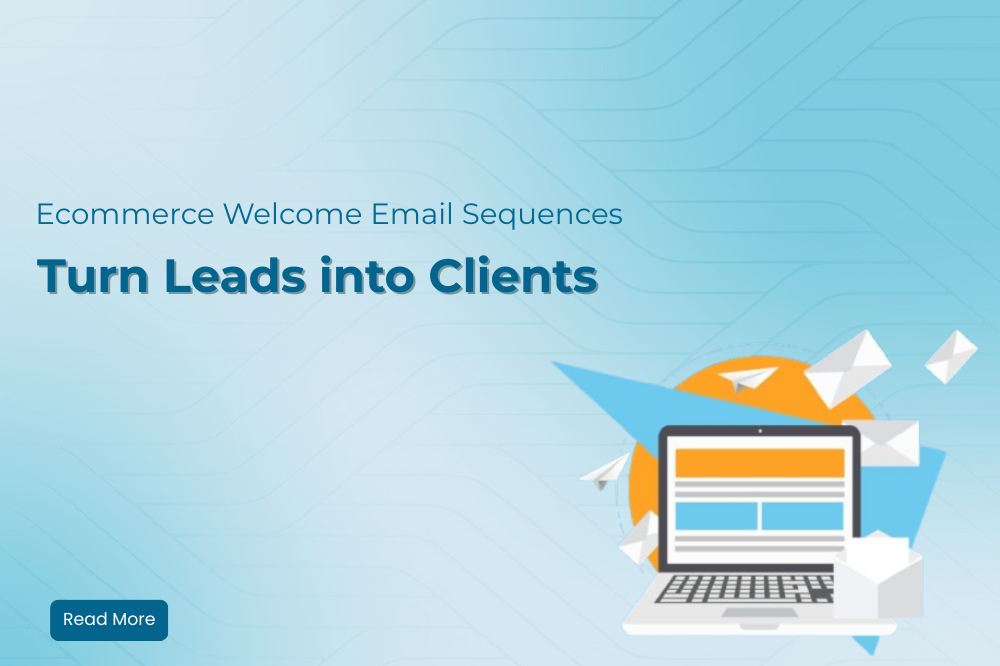
A welcome email sequence is a pre-scheduled series of automated emails sent to new leads shortly after signup. Unlike a single welcome message, a sequence nurtures leads with relevant content over several days, building trust, highlighting value, and guiding them toward a purchase decision.
Why Welcome Sequences Matter in Ecommerce?
The first few days after a signup are crucial. During this window, engagement potential is highest. Without follow-up, most leads forget you, wasting hard-earned traffic and time spent.
Key benefits of welcome email sequences include:
- Higher open and click-through rates than standard campaigns.
- Increased retention and repeat visits.
- A clear path from interest to decision.
- Strengthened your identity and differentiation.
A properly built welcome sequence forms the first stage of a client journey automation strategy, allowing you to convert new leads into paying clients at scale.
5 Essential Emails in a High-Converting Welcome Sequence
A welcome email sequence can vary in length, but five key emails typically form the foundation:
1. Email One: Confirmation and Introduction
Timing: Immediate
Purpose: Thank the new subscriber and outline what's next.
Include:
- Official greeting and short intro.
- Clear explanation of upcoming emails.
- Optional incentive. (e.g., welcome discount or freebie)
- Strong subject line with open-rate optimization.
2. Email Two: What Makes Your Service Unique
Purpose: Build trust by showing how the service stands out and solves key client problems.
Include:
- What’s offered: ecommerce websites, landing pages, product catalogs, etc.
- Problems solved: faster setup, mobile optimization, SEO-ready design, and ongoing support.
- What clients get: simple process, custom builds, quick turnaround.
3. Email Three: Service Highlights or Popular Features
Purpose: Help leads understand the most valuable parts of the service.
Include:
- Key features like custom design, fast load speeds, or mobile responsiveness.
- Real use cases or client success stories.
- Optional visuals or links to portfolio work.
4. Email Four: Address Common Concerns
Purpose: Clear doubts and build confidence before a decision.
Include:
- FAQs on pricing, timeline, revisions, and support.
- Testimonials or client feedback.
- Any guarantees or trial offers.
'This email acts as a conversion optimizer in the funnel.'
5. Email Five: Limited-Time Offer + Final Nudge
Purpose: Motivate action with urgency and a clear benefit.
Include:
- A time-sensitive offer. (discount, bonus service, free consultation)
- Quick recap of what's already been shared. (value, features, trust signals)
- A strong CTA focused on the benefit. (e.g., "Launch your store faster today")
What Comes After the Welcome Sequence
Use a Preference Center
Allow subscribers to select content types or pause specific campaigns (like seasonal promotions). This reduces unsubscribes and preserves long-term engagement.
Lead with Evergreen Value
Evergreen email content like "how-to guides," "top 5 tips," or "customer stories" keeps sequences useful and relevant year-round.
Customize with Stories
Insert short brand-success stories. Segmented storytelling ensures the right message reaches the right person at the right time.
Test Subject Lines and CTAs
Small changes to subject lines, call-to-action buttons, or send times can significantly impact open and click-through rates.
Use Email Automation Tools
Platforms like Klaviyo, Omnisend, Mailchimp, or Drip enable detailed email flows based on behavior triggers.
Strategic Role in the Email Marketing Funnel
A welcome email sequence is not just an isolated touchpoint. It plays a core role in the overall email marketing funnel, bridging the gap between acquisition and conversion.
It helps:
- Segment leads based on behavior and interest.
- Warm up traffic from paid ads or organic channels.
- Move leads into service follow-ups or booking reminders.
Summary
A welcome email sequence is one of the most powerful tools for turning new leads into loyal clients. It provides a scalable, automated way to build relationships, educate leads, and guide them toward becoming paying clients.
From crafting story-driven emails to solving pre-purchase objections, every step in the sequence plays a role in long-term success. With the right structure and strategy, a welcome email sequence becomes not just an introduction, but a conversion engine.
FAQ Section
1. How many emails should be in a welcome sequence?
Most effective welcome sequences include 3 to 5 emails spread across the first week after signup.
2. How do I write a welcome email to a new client?
Start with a warm greeting, confirm their signup or interest, and introduce what they can expect next. Include a value-based message and a clear call to action-whether it's exploring services, booking a call, or accessing a resource.
3. How do I write an email that converts?
Focus on one goal per email. Use a strong subject line, address a real problem, highlight benefits, and close with a direct, benefit-driven CTA. Personalization and timing also improve conversions.
4. How do I format a welcome email?
Keep it clean and scannable. Use short paragraphs, bold headings, and a CTA button. Start with a friendly opener, introduce the service or value, and end with a clear next step.
5. What is the best sequence to send welcome emails?
A proven sequence includes:
- Immediate welcome and expectations.
- Unique value or positioning.
- Service features or success examples.
- Answers to objections.
- Time-sensitive offer or next step.
This structure builds trust and leads to higher conversion rates.