Visualizing a shopping experience where the convenience of online browsing meets the hands-on excitement of strolling through a physical store can be a reality with hybrid ecommerce. This game-changing approach is reshaping the future of retail. If you're ready to inject new life into your store and captivate customers in innovative ways, it's time to learn more about hybrid ecommerce.
Hybrid ecommerce explained
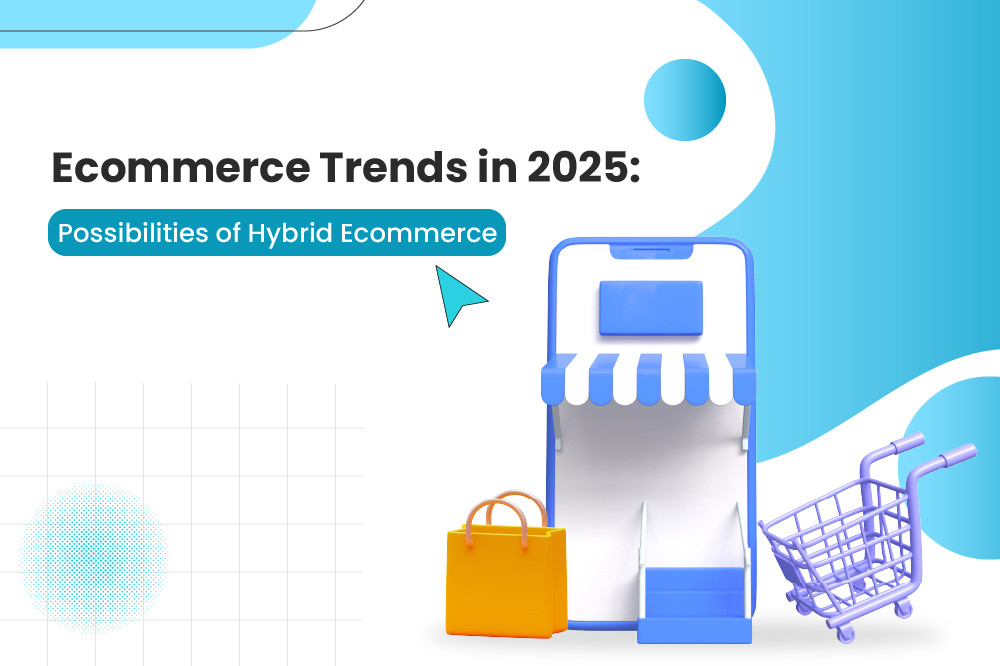
Hybrid ecommerce is a retail strategy that merges online and offline shopping experiences. It allows customers to seamlessly browse products online, utilize in-store pickup options (BOPIS), or even return online purchases in physical stores. This approach aims to create a more convenient and personalized shopping journey for customers, leveraging the strengths of both online and physical retail.
In 2024, hybrid ecommerce will change how customers shop. It's not just for new companies, it's being adopted by big brands too. Businesses are using hybrid models to bring together the online and offline worlds, making shopping more exciting and convenient.
What's making hybrid ecommerce the next big thing?
Several factors are converging to make hybrid ecommerce the next big thing in retail:
Technological advancements: Technologies like AR/VR, advanced data analytics, and mobile integration are making seamless online-to-offline experiences a reality.
Changing consumer behaviors: Today's consumers demand convenience and flexibility. They want the ease of online shopping with the option to see, touch, and try products in stores.
Market trends & competition: Retailers are increasingly facing pressure to differentiate themselves. Hybrid models offer a unique and engaging shopping experience that can attract new customers and boost brand loyalty.
Opportunities in hybrid ecommerce
Hybrid ecommerce presents a unique opportunity for you to create a dynamic and customer-centric shopping experience. Here's a closer look at some key strategies to excel in this evolving retail environment:
Omnichannel retailing
Omnichannel strategies prioritize coherence and continuity across all touchpoints.
Omnichannel strategies prioritize coherence and continuity across all touchpoints.
The curbside pickup service caters to the busy shopper who wants the ease of online shopping without the wait of traditional delivery. Customers order online and schedule a pickup window. Upon arrival, their order is brought directly to their car, minimizing contact and saving valuable time.
In-store returns, customers can simply bring items to a physical store for a quick and easy return, regardless of where they originally bought them. This builds trust and encourages further online purchases.
Through unified loyalty programs, customers can earn and redeem points or rewards for purchases made online or in-store, creating a seamless experience across all channels.
Personalized recommendations
You can collect valuable customer data from both online interactions and in-store purchases. This data can include browsing history, past purchases, and loyalty program information. Use this data to personalize the shopping experience for each customer. This could involve targeted product recommendations online and in-store, tailored email promotions, and loyalty program rewards based on individual preferences. This creates a sense of connection with the brand and fosters higher customer satisfaction.
Expanded product offerings
In traditional ecommerce, limited online storage space and logistical complexities can restrict product variety. Brick-and-mortar stores, on the other hand, face limitations on shelf space. Hybrid ecommerce bridges this gap through strategic partnerships.
Imagine you run an online art supply store. Partnering with a local framing company allows you to offer a wider selection of frames online. Customers can browse your online store, choose their desired artwork, and seamlessly add a frame from your partner's selection during the checkout process. This creates a one-stop shopping experience for the customer, all within your hybrid platform. The framing company benefits from increased online exposure and potential in-store sales to customers picking up framed artwork.
A lifeline for regulated industries
For businesses operating in industries with strict regulations on online sales, hybrid ecommerce can be a game-changer. Certain products, like pharmaceuticals, may have regulations that limit or completely prohibit online sales. This can be a major hurdle for businesses trying to reach customers in the digital age. Hybrid ecommerce offers a way to navigate these restrictions. Businesses can still showcase these regulated products online. Detailed information, high-quality images, and specifications can be readily available on their website. However, the actual purchase process can be directed to the physical store.
Innovation in fulfillment and logistics
In hybrid ecommerce, innovation extends beyond the digital world to encompass fulfillment and logistics.This could include managing inventory across online and offline channels, fulfilling orders quickly for both in-store pickup and home delivery, and ensuring a consistent customer experience regardless of fulfillment method. For example, drone delivery could be used for last-mile delivery in specific geographic areas, while autonomous vehicles might be employed for deliveries within a certain radius of a store. Micro-fulfillment centers could be located closer to urban areas to facilitate faster delivery times.
Conclusion
By combining the best of both online shopping and physical stores, you can make your customer experience more exciting and personalized. Take advantage of strategies that work across different channels, find new ways to deliver orders, and make each customer's journey special. Adopting hybrid ecommerce isn't just trendy; it's the way forward for retail. So, if you want to increase your success, go for a hybrid approach and leave those quiet sales days behind.