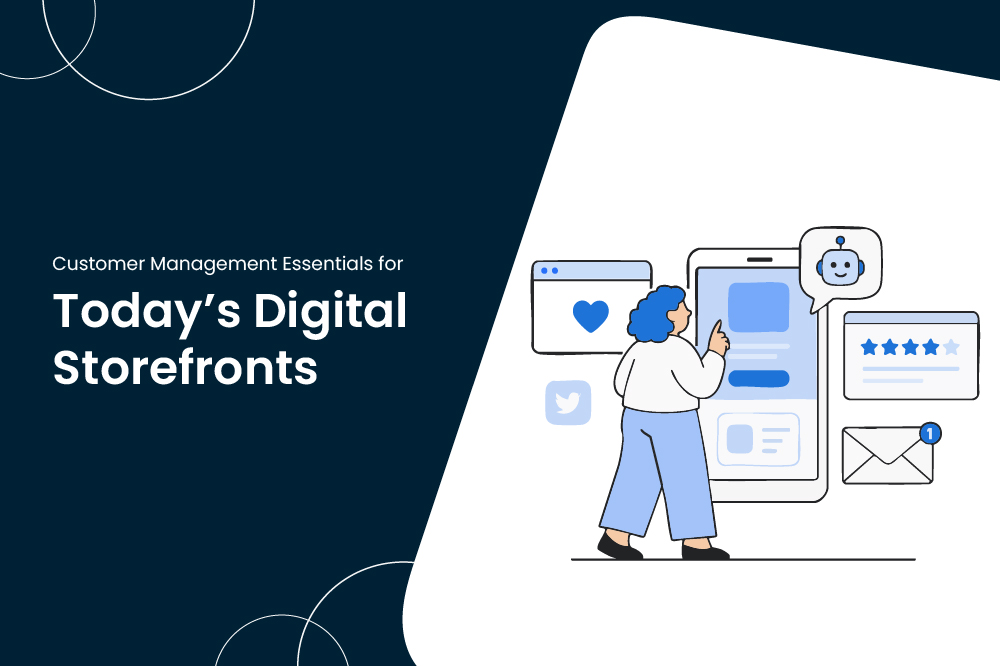
In ecommerce, customer management plays a far bigger role than simply storing names and email addresses. It acts as the backbone of every interaction, every sale, and every repeat purchase your store receives. When you understand who your customers are, how they shop, and what they prefer, your ability to serve them improves drastically. This guide explores how customer management supports business growth and how a structured system helps you build stronger, more meaningful relationships with your audience.
What Effective Customer Management Looks Like
Customer management goes beyond maintaining a list of names. It combines organization, insight, and timely communication. A strong management system makes it easy to store key details, review customer journeys, and tailor your interactions based on their behavior. It provides clarity about who your customers are and what types of support or incentives will encourage them to shop again. The effectiveness lies in how smoothly you can access information, understand patterns, and respond to customer needs without delays. When everything is structured well, customer interactions feel more natural, professional, and consistent.
1. Centralizing customer details
A centralized customer database ensures that all important information stays in one place. This includes basic details such as names, phone numbers, and email addresses, along with deeper insights like purchase history, browsing behavior, saved addresses, and communication logs. With all this information organized and accessible, your team gains a complete view of each customer’s journey. This helps create faster resolutions to support queries, accurate recommendations, and properly targeted offers. A unified database eliminates confusion, prevents duplicate entries, and ensures that every customer receives consistent treatment across different touchpoints of your store.
2. Creating and updating customer profiles
Not every customer creates their own account, and this is where manual profile creation becomes useful. Whether someone places an order over the phone, reaches out on chat, or prefers a guided purchasing experience, you can manually add them to your store database. Updating these profiles over time, especially when customers change phone numbers, move to new locations, or shift between retail and wholesale, keeps your database fresh and reliable. Maintaining these details ensures that every interaction is based on the latest information.
3. Segmenting customers for better insights
Segmentation turns raw customer data into meaningful groups that help you understand your audience better. When you categorize customers based on their shopping frequency, preferences, order value, or engagement level, it becomes much easier to communicate with them in relevant and appealing ways. For example, you can create exclusive offers for high-value customers or send reminders to those who haven’t visited your store in a while. Segmentation also improves marketing effectiveness by ensuring that each customer receives content that resonates with their needs. Instead of generic communication, segmentation helps you deliver smarter, targeted, and more impactful messaging.
4. Tracking customer activity
Understanding how customers interact with your store is essential for building long-term relationships. Activity tracking gives you visibility into patterns such as how often customers shop, what products they browse, whether they abandon carts, and how long they take between purchases. This kind of insight helps you identify opportunities for follow-up messages, personalized recommendations, or re-engagement campaigns. When you know a customer’s behavior, you can predict their needs better and design offers that encourage them to return. It also helps your support team respond faster because they can see past orders, inquiries, and issues without asking customers to repeat information.
How Tools Like ZenBasket Simplify Customer Management
Modern ecommerce platforms like ZenBasket make customer management effortless by offering built-in tools designed for organized, data-driven operations. You can add customers manually, store their complete history, and keep track of orders right from the dashboard. The system organizes customer lists automatically, allowing you to search, filter, and categorize profiles with ease. It also provides a unified view of orders, payments, and communication, helping you understand each customer’s lifecycle within your store. Whether you’re handling a first-time buyer, a loyal customer, or a bulk purchaser, the platform ensures that their data stays accurate and accessible at all times.
Best Practices to Strengthen Customer Management
Customer management becomes more effective when supported by strong internal practices. Start by regularly reviewing your database to remove duplicates and update old information. Make personalization a part of your strategy, use customer history to send thoughtful recommendations or follow-up messages that feel genuine. Employ tags and labels to categorize customers meaningfully and create promotional strategies that appeal to different groups. Most importantly, prioritize customer privacy by keeping all data secure and respecting communication preferences. When customers trust your brand with their information, they feel more comfortable engaging with you over the long term.
Final Thoughts
Customer management isn’t just about storing data; it’s about using that data to build trust, personalize experiences, and encourage repeat purchases. ZenBasket gives you everything you need to organize customer information, segment shoppers, analyze trends, and strengthen engagement.
With well-structured profiles, customer groups, manual order tools, loyalty programs, and insightful reports, ZenBasket helps you create meaningful connections that lead to long-term growth.