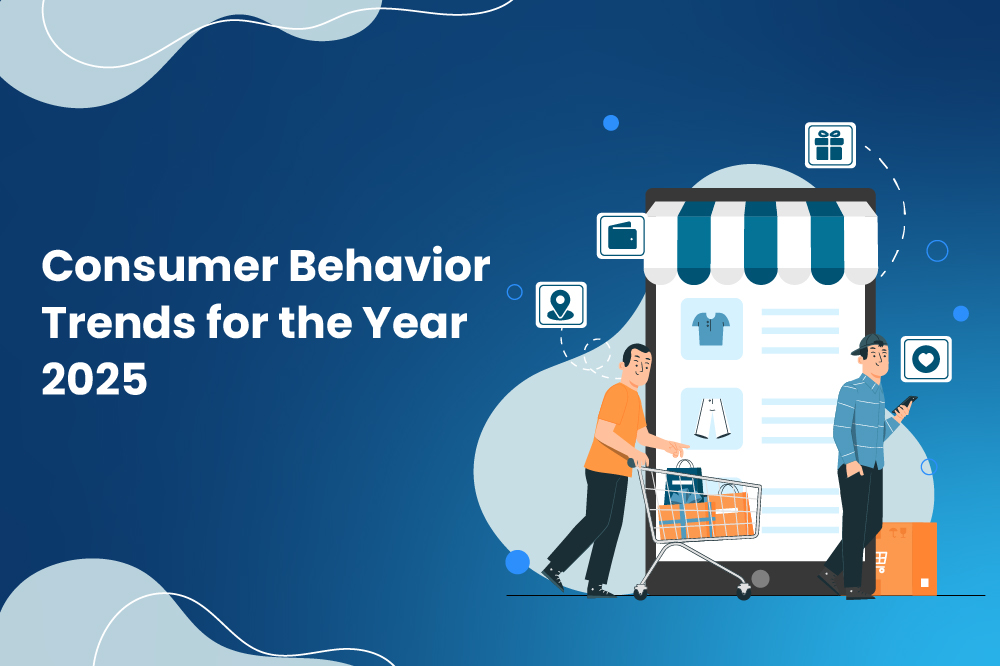
Consumer behavior is constantly evolving. Consumers are becoming more conscious of where their money goes. Value-based spending is on the rise, with people prioritizing brands that align with their social and environmental values. Gone are the days of blind brand loyalty. They're not afraid to switch to new brands or local businesses that offer better quality and prices.
Technology continues to shape consumer behavior. With information at their fingertips, consumers are becoming more selective.
Understanding your 2024 consumer behavior
Today's customers are all about convenience, feeling valued, and having a shopping experience that fits their lifestyle. Here's a breakdown of key trends to help your business cater to them in 2024:
- Omnichannel experience: Customers expect a smooth shopping journey whether they're browsing online, visiting a store, or using their phone. Retailers are offering options like buy-online-pickup-in-store (BOPIS), curbside pickup, and self-checkout to cater to these preferences.
- Mobile is the new shopping bff: Smartphones are central to shopping in 2024. People use them to research products in-store, compare prices, and make purchases.
- Personalized touch: Customers crave a shopping experience that feels personal. This means targeted recommendations, loyalty programs, and communication that acknowledges their individual needs and interests.
- Surprise them with experiences: Shopping is no longer just about buying things. Customers are looking for engaging experiences. This could include in-store events, interactive displays, or even gamified shopping experiences.
- Sustainability matters: Eco-conscious consumers are on the rise. They're looking for brands that prioritize sustainability and ethical practices. Go beyond words to build trust with eco-conscious consumers. Share your sustainability progress. Showcase metrics like a reduced carbon footprint, ethical sourcing, increased use of recycled materials, or fair trade partnerships. Remember, in 2024, it's not enough to just say you're sustainable; you need to prove it.
- "Alexa, what's the best?" : Conversational search is on the rise. People are using voice assistants to shop. Optimize your website with natural language search terms to make it easier for customers to find you with voice commands.
- Tech in physical stores: The physical store isn't going anywhere, but it's getting a tech makeover. Expect to see things like digital signage, AR/VR product visualization, and contactless payments becoming more commonplace.
Influence of generational shifts
Generational shifts significantly influence consumer behavior, and in 2024, the preferences of Millennials and Gen Z will continue to shape market trends.
While Baby Boomers and Gen X still make up the largest chunk of US sales (70%), Gen Z and Millennials are emerging as strong forces, contributing 30% of sales. Gen Z's share has grown significantly in just 5 years, showcasing their buying power.
There are interesting differences in how these generations shop. Millennials spend more on online CPG (consumer packaged goods) items (17% compared to Gen Z's 86% in-store), while Gen Z spends more of their general merchandise budget online, particularly on electronics. Understanding these generational preferences is crucial for you to stay competitive. You need to tailor your marketing strategies and product offerings to resonate with each demographic
Tools to help you understand consumer behavior
There are several tools available to help you understand consumer behavior for both online and brick-and-mortar stores.
For online stores:
- Website analytics: Tools like Google Analytics are a goldmine for understanding online customer behavior. They track metrics like website traffic, user journeys, product page views, and purchase conversions. This data helps you see how people interact with your website, identify areas for improvement, and personalize the shopping experience.
- Heatmaps and Session Recordings: These tools visually show you where users click, scroll, and spend their time on your website. This can reveal user engagement patterns, identify pain points in the buying journey, and optimize your website layout for better conversions.
- A/B testing: This technique allows you to compare different versions of website elements (like product descriptions, call-to-action buttons, or layout) to see which one performs better with your audience.
For Brick-and-Mortar stores:
- Point-of-Sale (POS) systems: Modern POS systems capture valuable customer data at the point of purchase. This includes information like what products are being bought together, customer demographics (based on loyalty card data), and purchase frequency. You can analyze this data to understand customer preferences, identify trends, and tailor your in-store promotions.
- Customer traffic counting: Tools using cameras or sensors can track customer flow within your store. This data helps you understand peak shopping times, analyze the effectiveness of store layout, and optimize product placement for better visibility.
- Customer feedback surveys: Gathering direct feedback through surveys or in-store kiosks allows you to understand customer satisfaction, identify areas for improvement, and gain valuable insights into their shopping experience.
By using a combination of these tools, you can gain a comprehensive understanding of your customers' online and in-store behavior. This allows you to make data-driven decisions to improve your marketing strategies.
As we move forward, you can adapt to these evolving preferences and leverage the power of data to be well-positioned to thrive. By understanding the "why" behind the "buy," you can not only cater to the needs of today's changing consumer behavior but also build trust and loyalty for a sustainable future.