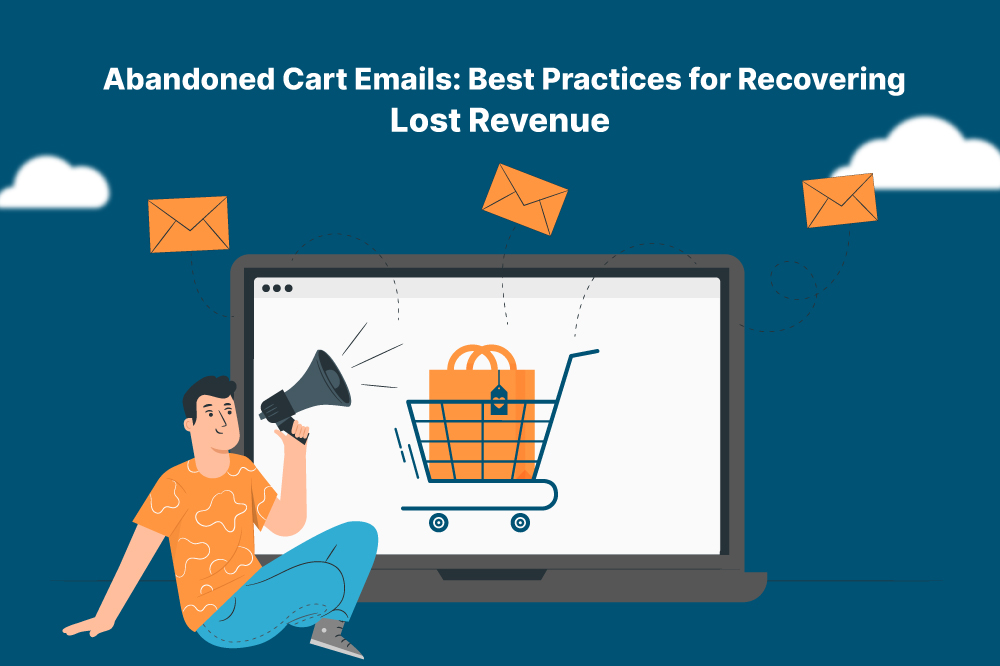
It has become a regular occurrence people scrolling through different online shops, picking out stuff, and tossing it into their carts. Just a typical day in the digital shopping world. However, not all of these potential customers complete their purchase, resulting in abandoned carts. Abandoned cart emails present a valuable opportunity for businesses to re-engage with these customers and nudge them towards completing their purchases. In this blog, we will explore the best practices for sending abandoned cart emails that can help you recover potentially lost revenue and foster stronger customer relationships.
What are abandoned cart emails?
Abandoned cart emails are emails sent to customers who have added items to their shopping carts but have left the website without completing the purchase. These emails serve as gentle reminders to the customers about the items they left behind, aiming to encourage them to return to the website and finalize the transaction.
Reasons for abandoned carts
Understanding the reasons behind cart abandonment is crucial for optimizing abandoned cart emails. Addressing these underlying causes through targeted messaging and strategies can significantly improve your chances of successfully recovering abandoned carts.
Unexpected shipping costs:
Unexpected shipping costs, revealed only during the checkout process, can be a major barrier to completing a purchase. Customers often prefer transparency in pricing, and unexpected shipping fees can lead them to abandon their carts, especially if they feel the cost is too high relative to the purchase value.
Complicated checkout process:
Lengthy and complicated checkout processes can frustrate customers. Requiring too many steps, asking for excessive information, or having difficulty editing cart contents can lead to cart abandonment as customers seek a more comfortable shopping experience.
Comparison shopping:
Online customers are known to compare prices, products, and deals across various websites before making a purchase. Customers may add items to their carts on multiple websites but only complete the transaction on one of them, leaving abandoned carts on the others.
Payment security concerns:
Security is a paramount concern for online shoppers. If customers have doubts about your website's security or the payment process, they may choose to abandon their carts to protect their sensitive information.
Lack of trust in the website:
Building trust with customers is crucial in an ecommerce business. If a website appears unprofessional, lacks customer reviews, has no clear contact information, or has a poor reputation, customers may feel uneasy about proceeding with the purchase and abandon their carts.
Best practices for abandoned cart emails
Time your abandoned cart emails perfectly
Send the first abandoned cart email within 24 hours of cart abandonment to capture the customer’s attention while it's still fresh. Follow up with a reminder at 48 hours to keep the interest alive and encourage a return. Automating these sequences ensures perfect timing for maximum cart recovery.
Personalization
Creating abandoned cart emails based on customer behavior and preferences can significantly improve their effectiveness. Address the customer by name and mention the specific items they left in their cart. This creates a sense of connection and reminds them of their interest in the products.
Clear and compelling subject lines
A compelling subject line grabs the recipient's attention and makes them want to learn more about the abandoned cart. Once the recipient opens the email, the subject line has done its job. The email content should then effectively persuade the recipient to complete their purchase. A clear and compelling subject line sets the stage for a successful conversion.
Engaging content and visuals
The email content should be visually appealing and engaging. Use high-quality images of the abandoned products and include persuasive copy that highlights the product's benefits and unique selling points.
Incentives and offers
Offering incentives like discounts, free shipping, or exclusive deals can be powerful motivators for customers to complete their purchases. Including these incentives in the abandoned cart emails can lead to higher conversion rates.
Add an effective CTA button
Including an easy-to-find CTA button is essential for abandoned cart recovery emails, as it guides the customer towards your website to complete their purchase. Ensure the button is large enough to be easily noticed and clickable, especially on mobile devices. Use phrases like 'Complete Your Purchase,' 'Checkout Now,' or 'Secure Your Items' to encourage clicks.
Provide contact information
Assure the customer that your customer support team is readily available to assist them with any questions or concerns related to their abandoned cart. Include a link to a live chat window, a phone number, or an email address that directly connects the recipient to customer support.
Opt-out and unsubscribe options
Respect your customers' preferences and provide clear opt-out and unsubscribe options in your abandoned cart emails. This helps build trust and ensures compliance with email marketing regulations.
A/B testing
By sending two or more versions of an email to a randomly selected group of customers and measuring the results, you can identify which elements of your email are most effective in driving conversions.
A chance to reclaim your lost revenue
Abandoned cart emails might seem like a last-minute effort, but they hold the key to recovering lost revenue and rekindling customer relationships. By creating personalized, timely, and engaging messages, you can transform these abandoned carts into successful purchases. If you are struggling to recover abandoned carts, ZenBasket has solutions to recover your lost sales and improve customer engagement. Try the free trial.