Consumer buying habits are constantly in flux, influenced by a complex interplay of economic, social, technological, and environmental factors. Unforeseen events like pandemics, economic downturns, and natural disasters can act as catalysts for rapid shifts in consumer behavior, demanding businesses to adapt to new realities.
The COVID-19 pandemic significantly reshaped consumer behavior, accelerating existing trends towards ecommerce, digital services, and health-conscious products. Businesses that pivoted quickly and prioritized customer safety and convenience were better positioned to navigate these challenges.
Sustainability Takes Center Stage
Consumers are increasingly concerned about the environmental impact of their purchases. They prioritize products that are made from sustainable materials, have minimal carbon footprints, and promote responsible production practices. This trend reflects a growing awareness of climate change and pollution, driving demand for eco friendly goods that align with values of conservation.
Sustainable products have an overall 17% market share and products marketed at sustainable grew 2.7x faster than non-sustainable options.
Holistic Wellness Reigns Supreme
Health and wellness remain a top priority for consumers, who are willing to invest in products and services promoting physical and mental well being. This includes organic food, supplements, fitness memberships, and mindfulness practices. The trend reflects a cultural shift towards holistic health and self care, driven by concerns about chronic diseases, stress, and aging.
Global Wellness Institute reports the wellness industry reached $5.6 trillion in revenue by 2022.
Smart Homes Gain Traction

Consumers are embracing smart home technology to enhance their living spaces. Convenience, energy efficiency, and security are key drivers, leading to the widespread adoption of smart thermostats, lighting systems, security cameras, and voice-activated assistants. This trend reflects a desire for connected living experiences that streamline daily routines and improve quality of life.
Eco-Conscious Food Choices
With growing concerns about the environmental impact of animal agriculture and the health implications of consuming meat, consumers are increasingly turning to plant-based and alternative protein products. They seek healthier and more sustainable dietary choices, driving demand for plant-based meats, dairy alternatives, and vegetarian meal options. This trend reflects a shift toward more conscious and ethical consumption patterns, influenced by considerations of health, animal welfare, and environmental sustainability.
55% of consumers are willing to pay more for eco-friendly brands. 72% of consumers said they buy more eco-friendly products than five years ago.
Personalization Takes Center Stage
Technological advancements have empowered consumers to co-create unique products that reflect their individual needs and styles. This trend extends beyond aesthetics, allowing for customization of functionality. Imagine, for example, ergonomic products tailored to specific user preferences or vitamin blends formulated to address individual dietary requirements. The benefits are multifaceted. Personalized products foster deeper customer engagement, leading to increased satisfaction and brand loyalty. Additionally, they create opportunities for unique gifting experiences and reduce inventory risk for businesses by catering to diverse preferences without the need for a vast array of pre-made products.
Optimizing the Home Office Experience
The rise of remote work has spurred a demand for products and services that create efficient and comfortable home office environments. This market segment presents a significant opportunity for businesses. Solutions range from ergonomic furniture and productivity tools to noise canceling headphones and space saving storage systems. By catering to these needs, businesses can position themselves as valuable partners in creating a productive home office experience for the modern workforce.
Contactless Payments: The Future of Transactions
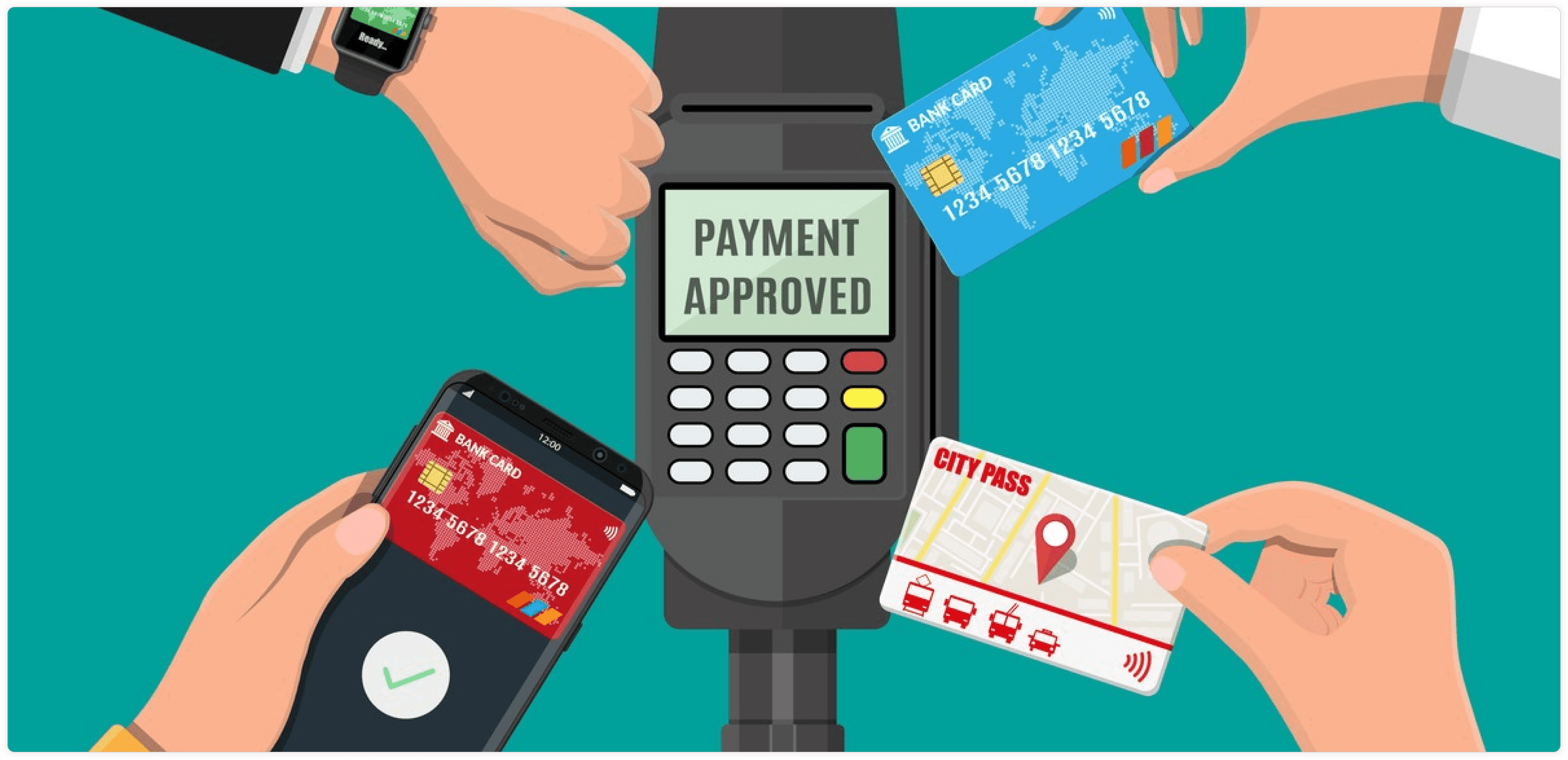
Convenience and security are driving the widespread adoption of contactless and cashless transactions. Consumers increasingly favor mobile wallets, digital cards, and other contactless payment methods due to several key advantages. These methods offer enhanced hygiene in a health conscious environment, streamline checkout times for improved shopping experiences, and often incorporate security features such as fingerprint or PIN Verification. Furthermore, mobile wallet applications frequently integrate budgeting tools, allowing users to efficiently track their spending habits and manage finances. By embracing these contactless payment technologies, businesses, demonstrate their commitment to catering to evolving consumer preferences and creating a faster, more convenient checkout process for their customers.
Beyond Entertainment: Online Streaming Services Evolve
The proliferation of digital content and streaming platforms has fundamentally changed how consumers access entertainment. Moving beyond simply watching movies and TV shows, streaming services are evolving to offer personalized recommendations, interactive features, and even live event streaming. This caters to a growing desire for on-demand and immersive entertainment experiences.
Home Improvement and DIY on the Rise
Spending more time at home has fueled a surge in home improvement projects and DIY activities. Consumers are not only seeking to enhance their living spaces but also to express their creativity through these endeavors. This translates to increased demand for tools, renovation materials, gardening supplies, and online tutorials. Businesses can capitalize on this trend by offering high quality DIY supplies, partnering with influencers for instructional content creation, and fostering a sense of community through online forums or workshops.
Celebrating Local and Handcrafted Goods
Consumers are increasingly prioritizing supporting local businesses and artisans. This results as desire for unique, high quality goods that reflect the character and culture of their communities. Look for a rise in demand for locally sourced food, handcrafted furniture, and artisanal fashion items. Businesses that cater to this trend by promoting local partnerships and showcasing the stories behind their products can resonate with consumers who value authenticity and ethical production practices.
Wellness Travel Takes Center Stage
Travelers are prioritizing destinations and experiences that promote holistic well-being. This translates to a growing demand for wellness retreats, eco-friendly accommodations, and outdoor adventures that rejuvenate the body, mind, and spirit. Businesses in the travel industry can cater to this trend by offering mindfulness practices, spa packages integrated with nature, and sustainable tourism options.
Subscription Services: Convenience Redefined
Subscription-based models are thriving across various industries, offering consumers convenience, value, and personalized experiences. These services provide regular access to products or services, often at a discounted price compared to individual purchases. The convenience of home delivery and the ability to receive personalized recommendations based on past behavior are key drivers of this trend. Businesses can explore subscription models across various product categories, ensuring a seamless and personalized experience for their customers.
Tech-Enabled Healthcare
The adoption of telemedicine and virtual healthcare service is expanding, providing consumers with convenient access to medical care and reducing reliance on traditional healthcare settings. Telemedicine allows patients to consult with healthcare providers remotely via video conferencing or telecommunication technology, eliminating the need for in-person visits to clinics or hospitals. Virtual healthcare services also include remote monitoring of patient's health data, digital health platforms for managing medical records and prescriptions, and mobile health apps for tracking fitness and wellness metrics.
Eco-Friendly Production Methods

More and more, people are backing brands and efforts that help the environment by reducing waste. This includes things like recycling programs, finding new uses for old items (called upcycling), and using eco-friendly packaging. The idea behind this is to use things as much as possible instead of throwing them away.
Companies are getting on board by making products that last longer, using materials that can be reused or come from renewable sources, and offering ways to recycle old stuff. People like this because it helps the planet and supports efforts to create a greener future.
DIY Beauty and Personal Care
The trend towards DIY beauty and personal care products continues to gain traction as consumers seek natural and customizable options for skincare, haircare, and grooming. DIY beauty allows consumers to create their own beauty and personal care products using simple, natural ingredients found at home or purchased from local suppliers. This trend reflects a desire for transparency and control over the ingredients used in personal care products, as well as a preference for personalized formulations tailored to individual skin and hair types.
Consumer Preferences Across Generations
- Boomers
- Generation X
- Generation Y
- Generation Z
- Generation Alpha
Consumer trends can vary significantly across different generations due to variations in values, attitudes, lifestyles, and technological adoption. Here's a brief overview of some key consumer trends by generation:
Baby Boomers, typically born between 1946 and 1964, often prioritize quality and durability in products, exhibiting brand loyalty and a preference for traditional advertising channels such as TV and print media. While they may have been slower to adopt technology initially, many are now embracing it for its convenience and communication benefits.
Generation X, born between 1965 and 1980, values convenience and time-saving solutions. They tend to be more skeptical of marketing messages, favoring authenticity and transparency. While they are not digital natives, they have adapted to technology and appreciate its role in balancing work and personal life.
Millennials, or Generation Y, born between 1981 and 1996, are digital natives who heavily rely on technology for various aspects of their lives, including shopping, communication, and entertainment. They prioritize experiences over material possessions, seek out brands that align with their values such as sustainability and social responsibility, and are heavily influenced by peer recommendations and online reviews.
Generation Z, born between 1997 and 2012, are true digital natives who have grown up in an era dominated by social media and online platforms. They value authenticity, personalized experiences, and inclusivity in marketing campaigns. Convenience and instant gratification are important to them, driving trends in on-demand services and fast delivery.
Finally, Generation Alpha, born after 2012, is still emerging as a consumer but is already heavily influenced by technology. Growing up in a highly digital world, they are likely to shape future consumer trends, particularly in areas such as education, entertainment, and sustainability.
Stay in sync with consumer desires
Be the trendsetter, not the follower!
Don't just manage purchases, anticipate them with ZenBasket! Explore our admin-centric platform for trend-driven insights. Click here to discover.