
The world of online shopping is constantly in flux, and the way businesses advertise their wares is undergoing a major transformation. Consumer privacy is now a top priority, driven by a growing awareness of how personal data is used and stricter regulations from web browsers. This shift presents both challenges and exciting opportunities for ecommerce advertisers.
Ecommerce Advertising: The Click Behind the Purchase
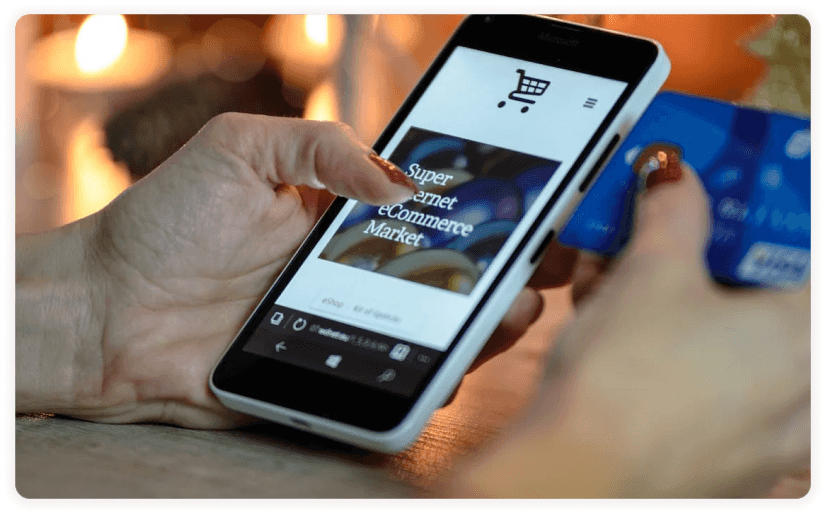
Imagine a world where the joy of finding the perfect product online seamlessly connects to the satisfaction of buying it. That's the essence of ecommerce advertising. It's about using various digital marketing channels like online ads, social media buzz, and targeted emails to reach potential customers and bring them to your virtual store. The goal? To showcase your products, attract curious visitors, and convert them into loyal, paying customers - all within the digital realm.
Challenges and Opportunities in Paid Social Media Channels
The shift towards user privacy presents both challenges and opportunities for ecommerce advertisers. Let's delve into how savvy businesses are thriving on popular social media platforms in this new era:
The Privacy Challenge for Paid Social Media
The rise of privacy-focused consumers has thrown a wrench into traditional advertising strategies. But fear not, savvy businesses are finding ways to thrive on popular social media platforms even in this new era.
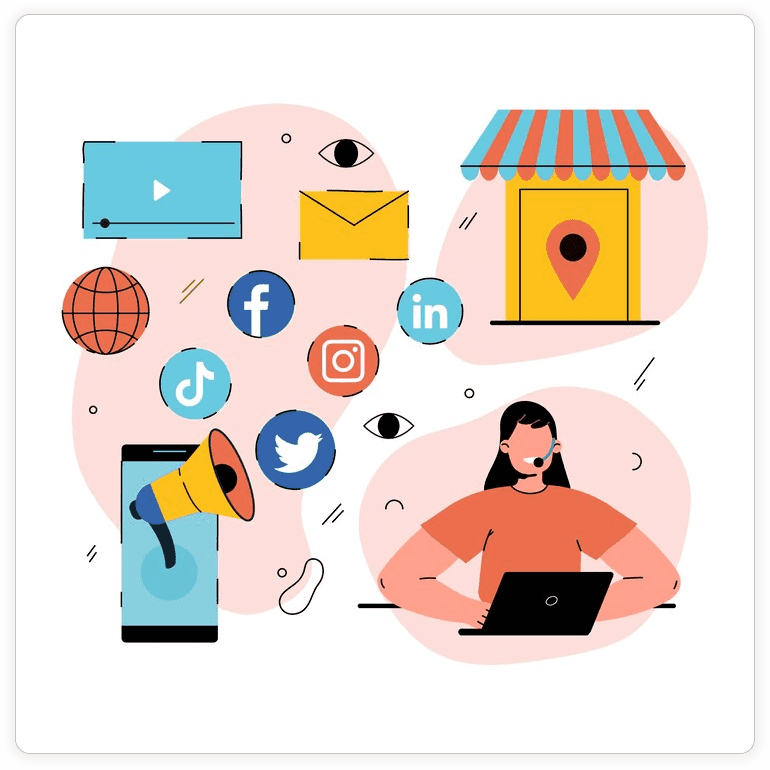
1. Building Brand Affinity on Instagram
Forget the cheesy sales pitches. On Instagram, authenticity reigns supreme. Brands that succeed are the ones that embrace openness. They clearly disclose sponsored content, offer behind-the-scenes glimpses into their operations, and showcase the human side of their business. This builds trust and relatability, transforming casual followers into brand advocates.
Impact: By prioritizing authenticity, brands build deeper connections with their audience. Transparency and relatability cultivate trust, fostering a dedicated group of followers genuinely interested in the brand's story.
2. Personalized Engagement on WhatsApp
WhatsApp isn't just for keeping in touch with friends and family anymore. Businesses are leveraging this platform to go beyond basic transactions and provide personalized customer experiences. Imagine being able to address your concerns about a product promptly and receive exclusive deals through private messages. This level of personalized care builds value and fosters appreciation for the brand.
Impact: Advertisers who prioritize friendly customer service on WhatsApp experience a boost in customer loyalty. Personalized interactions and private communication contribute to positive experiences and encourage repeat business.
3. Establishing Expertise on LinkedIn
LinkedIn is the professional social media platform, making it the perfect place for brands to position themselves as thought leaders. Sharing valuable industry insights, engaging in relevant discussions, and maintaining a professional demeanor all contribute to establishing authority within your field.
Impact: By acting professionally on LinkedIn, brands gain respect and credibility. This attracts a discerning audience who value expertise and high-quality content.
4. Leveraging Trends on TikTok
Brands on TikTok embraces the platform's dynamic and trend-driven nature. They create engaging content aligned with the latest trends, injecting humor, creativity, and authenticity. This approach positions brands as part of the cultural conversation and allows them to connect with a younger demographic in a fun and relatable way.
Impact: Advertisers on TikTok witness increased visibility and engagement. Aligning with trends allows brands to organically reach a broader audience and build brand awareness among a younger generation of potential customers.
5. Prioritizing User Choice on Facebook
On Facebook, advertisers adopt a user-centric approach. They respect users' time and preferences by providing options for ad visibility and control over the type of content they see. This fosters a positive relationship where users feel in control of their experience.
Impact: Advertisers prioritizing user choices on Facebook notice a more engaged audience. Transparency and control lead to a favorable view of the brand and increased receptiveness to marketing messages. Users are more likely to pay attention to ads and engage with content if they feel respected.
6. Real-Time Engagement on Twitter
Advertisers on Twitter participate in real-time conversations. By engaging with trending topics, sharing timely updates, and contributing to discussions, brands become part of the current narrative without overwhelming users with constant promotional content.
Impact: Brands discussing current events on Twitter experience heightened visibility and positive sentiment. Fast-paced engagement allows advertisers to connect authentically with users and build brand loyalty through participation.
7. Visually Appealing Inspiration on Pinterest
On Pinterest, advertisers focus on visually stunning content that inspires without being overly promotional. By letting users discover products organically through beautifully curated boards, brands tap into the platform's ethos of visual discovery. User-generated content campaigns and leveraging "buyable pins" further streamline the purchase journey.
Impact: Advertisers with a subtle approach on Pinterest witness increased engagement and brand recall. Emphasizing inspiration makes it an ideal space for showcasing products in alignment with users' lifestyles and aesthetics. This can lead to increased website traffic and organic product discovery.
8. Creating User-Centric Videos on YouTube
Advertisers on YouTube prioritize creating content that users want to watch, not just skip. This could include product tutorials, entertaining explainer videos, or behind-the-scenes glimpses into the brand's story. By offering viewers the choice to select ad types, brands ensure the content is relevant and aligns with the audience's interests.
Impact: Advertisers producing user-friendly videos on YouTube experience higher retention rates and increased brand awareness. The ability to choose ads respects user preferences, leading to increased engagement and a more positive perception of the brand.
Choosing the Right Social Media Channels
When selecting the optimal social media channels for your brand, prioritize these considerations:
Define Your Target Audience: Who are you trying to reach? Understanding their demographics, interests, and online behavior is crucial for choosing the right platform.
Understand Platform Demographics: Each social media platform has a unique user base. Research the demographics of each platform to see where your target audience spends their time online.
Clarify Marketing Objectives: What are you hoping to achieve with your social media campaigns? Do you want to increase brand awareness, drive website traffic, or generate sales?
Know Your Brand Personality: What is the voice and tone of your brand? Choose platforms that align with your brand's personality and allow you to express yourself authentically.
Evaluate Content Types: Consider the types of content that resonate best on each platform. For example, Instagram is all about visuals, while Twitter thrives on short-form text updates.
Assess Platform Features: Each platform offers unique features and functionalities. Explore the advertising options and tools available on each platform to see how they can support your marketing goals.
Analyze Competitor Presence: See where your competitors are active and how they are using each platform. This can provide valuable insights into what kind of content performs well and what strategies your competitors are using.
Consider Advertising Options: Explore the different advertising options available on each platform. Paid advertising can be a powerful tool for reaching a wider audience and achieving your marketing goals.
Budget and Resources: Consider your budget and resources when choosing social media channels. Some platforms may require a larger investment in terms of time and money than others.
Test and Analyze: Don't be afraid to experiment and try different approaches on different platforms. Track your results and analyze what's working and what's not. This will help you refine your strategy and optimize your campaigns for better results.
Stay Updated on Trends: Social media is constantly evolving. Stay up-to-date on the latest trends and adapt your strategy accordingly.
Directed towards Owned Marketing: The Crucial Role of Developing Deliberate Onsite Experience
In owned marketing, crafting thoughtful onsite experiences is key. Nik Sharma, Head of Sharma Brands, highlights the need to tailor web experiences for diverse traffic sources. He challenges the conventional idea of a homepage as a universal storefront, advocating for dynamic landing pages tailored to each source.
Sharma emphasizes the untapped potential of landing pages to convey crucial information and enhance the customer experience. Using Caraway's case as an example, a landing page optimized for specific traffic sources led to a 74% increase in conversion rates.
Addressing cart abandonment, Sharma recommends personalized landing pages with upfront purchase information and a streamlined two-click checkout process. This approach, endorsed by Jason Yoong of Ownit, has shown a significant 30% lift in conversion rates from Facebook paid ads.
A holistic lifecycle marketing plan, including growing SMS and email lists, is essential. Landing pages serve as key data collection points, gathering Customer-First Data for re-engagement. Marketers also leverage landing pages for interactive content like quizzes, enhancing user interaction and providing insights for personalized communication. This multi-faceted approach adds sophistication, optimizing onsite experiences for increased engagement and conversions.
Conclusion
In the era of prioritizing user privacy, ecommerce advertisers are adapting strategies on platforms such as Instagram and WhatsApp. Selecting social channels involves defining the audience, understanding demographics, and aligning with brand personality. For a comprehensive ecommerce solution, ZenBasket stands out, prioritizing privacy, personalized interactions, and optimization capabilities, making it an ideal choice for success in the evolving digital landscape.