
When you first heard about ecommerce, how excited or enthusiastic were you to place an order from an online store? At that time, it was something new to you. From childhood and into your teenage years, you bought products from physical stores near you. Sometimes, when you see a celebrity wearing elegant dresses at movies or events, or a businessman in a sharp suit, you might have thought, "When will I be able to wear something like that in my life?" Ecommerce fulfills those dreams. Now, you can purchase and order products from anywhere in the world, it doesn't matter the price of it and it is available to everyone.
With the growth of ecommerce, it has become easier for people to buy or sell products online, through a website. Ecommerce has created opportunities for businesses of all sizes to reach customers globally, and for individuals, it has made shopping more convenient and accessible.
On the contrary, the way consumers shop has changed significantly, with social media becoming an integral part of daily life. When we have free time or whenever we scroll the phone to watch reels and videos for entertainment on social media platforms, it initiates one of the divisions in ecommerce, called social commerce. In this blog, we will discuss social commerce and how it can help take your business to the next level.
What is a Social Commerce?
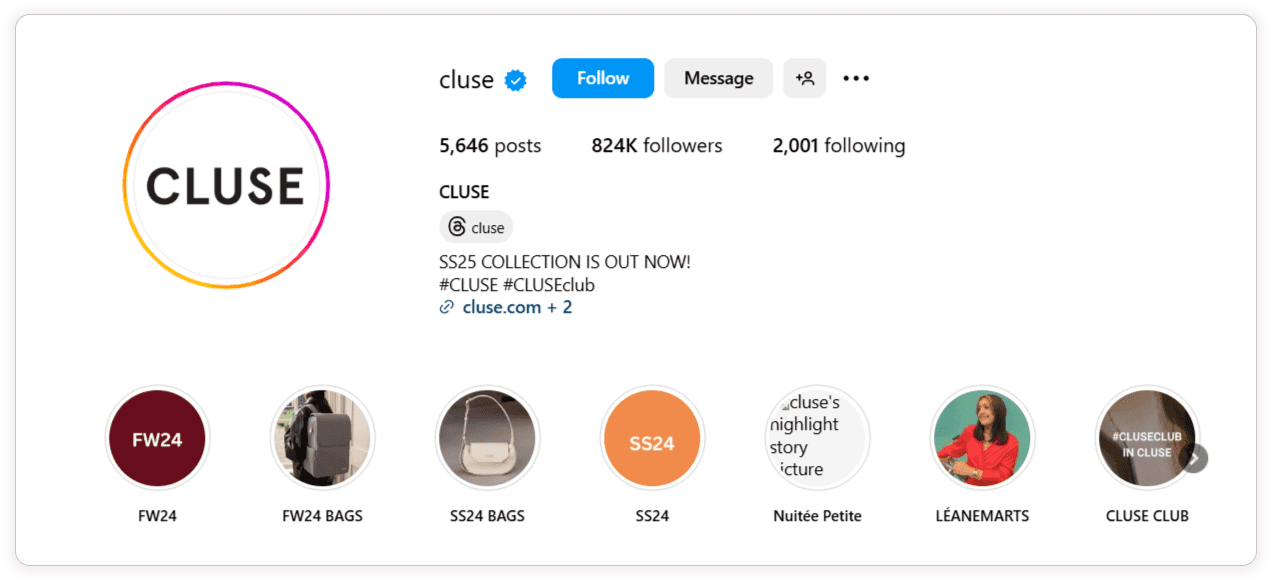
Social commerce is a sub-division of ecommerce where people buy and sell products directly through social media platforms like Instagram and Facebook. Instead of using a separate app, customers can purchase products through social media posts, ads, or influencer-shared links without leaving the platform. It seamlessly blends shopping with social interaction, making it easier for businesses to sell and for customers to shop while engaging with content.
Why Does Your Business Needs Social Commerce?
1. Growing Consumer Habits
Social media has become an integral part of daily life, shaping how we connect, communicate, and shop. With millions of users browsing, chatting, and making purchases online, its influence is undeniable. Over 60% of consumers say that they have made purchases through social media in recent years. As consumers continue to spend more time on these platforms, social commerce provides businesses with opportunities to reach and engage their audience where they already are.
2. Improve Customer Engagement
Social commerce allows you to interact directly with your customers. Through your ads, live polls, quizzes, and direct messaging, you can better understand their needs and even create new products tailored to their interests. This approach enables you to engage your audience more personally. Additionally, interactive features such as swipe-up links in stories or clickable product tags in posts create opportunities for spontaneous engagement, deepening customer relationships and driving sales.
3. Direct Shopping Experience
With social commerce, customers can shop faster and more conveniently. While browsing social media, they see product posts with essential details like price, description, and reviews without leaving the app. This seamless experience reduces cart abandonment by eliminating the need to switch to another website. Plus, customers can directly chat with store owners to clear doubts, creating a personal connection that boosts engagement and conversion rates.
4. Reach Wider Audience
Social commerce helps businesses to connect with a global customer base. Every day, billions of users are active on social media platforms, so you no longer limit your efforts to a local market. This allows you to create highly personalized ads, such as promoting eco-friendly products to users interested in sustainability, ensuring the message resonates with the right audience. Moreover, with the global reach of platforms such as Instagram and Facebook, small businesses can enter the international markets, broadening their customer base.
Examples of Social Commerce
1. Glossier is a beauty brand that uses the power of social media, building its community primarily on Instagram. It encourages customers to share photos of themselves using Glossier products, creating an authentic and engaging experience.
.png)
2. Revolve is one of the popular online fashion retailers, it uses Instagram to create a lifestyle brand that is closely linked with social commerce. It collaborates with influencers, models, and celebrities to showcase their clothing line on Instagram.

Conclusion
Social commerce is the future of retail. It helps businesses to sell directly on social platforms, interact with customers in real time, and gain valuable insights into their shopping behavior. Even though you run an established ecommerce but haven't adopted social commerce into your business, it leads to missing the opportunities for growth and scaling up your business. By implementing social commerce, you can increase sales, improve customer engagement, and increase brand visibility to a wider audience in the competitive D2C market.